

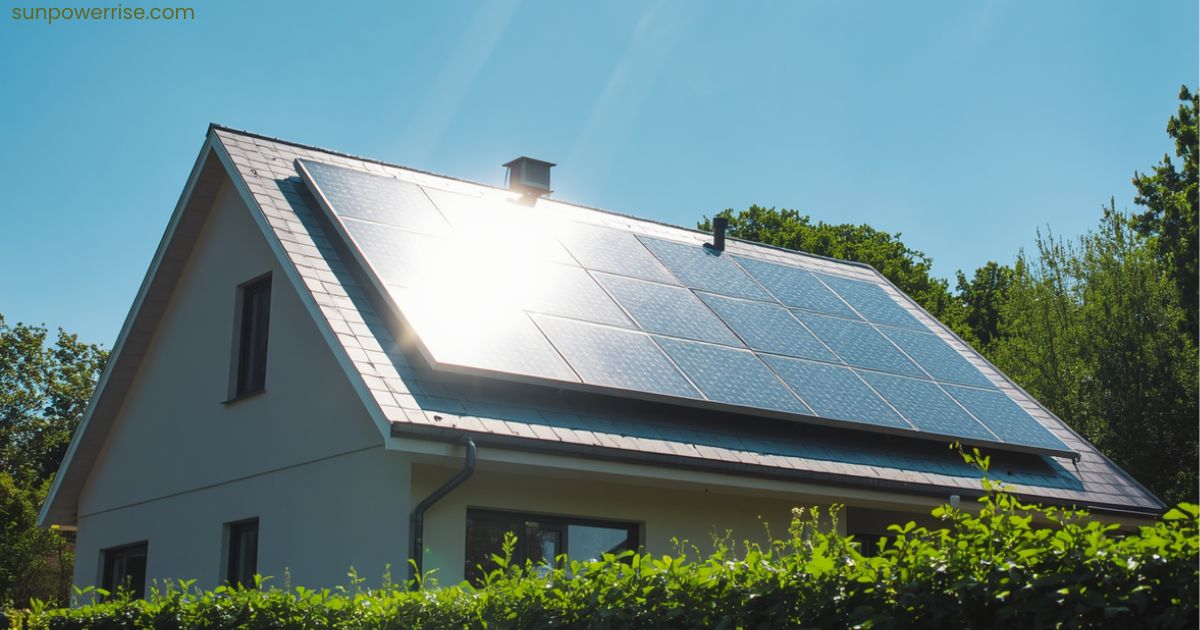
Housing solar means fitting solar PV panels to homes so they generate their own electricity, cut grid bills and earn payments for surplus power. That covers new-build estates, privately owned houses, and social housing.
It’s becoming standard, because from 2028 all new homes in England will need rooftop solar and electric heating.
Government guidance sets the solar requirement at roughly 40% of the home’s ground floor area. Households that already have panels typically save around £500 a year, and the right grant can lower the upfront cost.
Where UK Housing Solar Stands Today
More than 1.4 million UK homes now have panels, roughly 6% of households. Around 700,000 of those went on after the start of 2022. Uptake varies a lot by region. The South West leads at about 8.5%, the North East sits near 5.4%, and London trails at 1.6%, largely because of flats and renters.
The new-build rules are still moving, so check them before you decide anything. Some guides still say the requirement starts in 2027, but the government’s own guidance points to 2028. If you’re buying a new-build, ask the developer which standard the home was built to and what solar system is actually on the roof.
Grants And Financial Support
Start with the most important point: there is no single “free solar panels” scheme that anyone can apply to. ECO4 requires energy suppliers to fund efficiency upgrades for eligible low-income households. If your home has a heat pump or electric heating, solar may be included.
Warm Homes: Social Housing Fund helps social landlords in England install measures including solar. Tenants should ask their housing provider first.
Warm Homes: Local Grant funds councils to deliver upgrades to eligible households. Ask your local authority. Green finance from banks is worth asking about if you don’t qualify for grants.
Be cautious of any company that promises “free” panels. Ask who owns the system, who gets the export payments, and what you’d owe if you sell the house.
Solar Costs and How Long It Takes to Pay Back
Your price depends on system size, roof shape and access, installation, and whether you add a battery. A full quote covers panels, inverter, mounting, installation, grid connection and monitoring.
Most UK homes don’t need a huge system. Typical households use only a few thousand kWh a year, so many roofs suit a system of around 3 to 6 kW. A 10 kW system would suit a very large roof and heavy electricity use, and it won’t produce a steady 40 kWh every day. UK output swings widely between summer and winter, so ask any installer for a monthly production estimate for your roof. Avoid quotes that show only one annual figure.
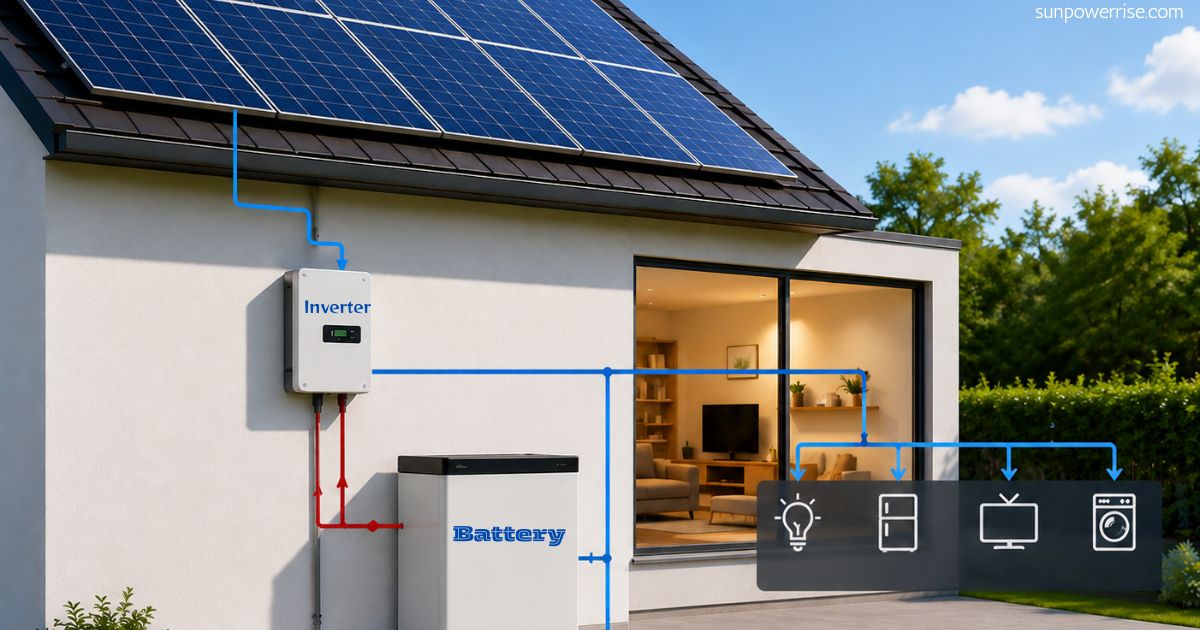
Solar works especially well alongside a heat pump or an EV, because you use more of what you generate. Export payments come through the Smart Export Guarantee, which replaced the old Feed-in Tariff for new installations. You choose a supplier and compare tariffs.
Panels, Batteries And How Long They Last
Good modern panels convert around 21 to 23% of sunlight and usually carry 25-year product or performance warranties. They lose a small amount of output each year, typically about half a percent. Brands such as REC, Trina, Jinko and Aiko all sell in the UK. Compare the warranty terms, the temperature coefficient and the installer’s reputation, not just the efficiency figure. Budget panels now perform well, and the real difference often comes down to installation quality.
Battery raises the upfront cost but can raise your self-use of solar power. Lithium is the usual choice today. Ask the installer about usable capacity, warranty length and how the battery is monitored.
Choosing An Installer
Use an MCS-certified installer for housing solar. MCS certification is what you’ll need to claim export payments. Ask for a design based on your roof, your usage and your shading, and get at least three quotes. Skip anyone who leans on old US-style incentives, because those don’t apply here.
FAQs
Can I get solar panels for free?
Yes. Qualifying low-income households can receive panels, inverter, and grid connection at zero cost through the free solar panels government scheme.
Do solar panels hurt home resale value?
Some buyers worry about leased panels, transferable warranties, or added maintenance costs, which can make negotiations trickier and slow down a sale.
Is it still worth having solar panels?
Absolutely, despite the initial investment, they bring long-term savings, energy independence, and a genuine sense of environmental pride.
Are solar panels or solar roof tiles better value?
Solar panels offer higher efficiency, lower cost, and faster payback, while solar tiles suit homeowners who prioritise aesthetics and property value over pure energy savings.
How long do solar panels last?
Most high-efficiency panels come with 25-year warranties, with some premium brands offering up to 40 years and minimal degradation of around 0.5% per year.