

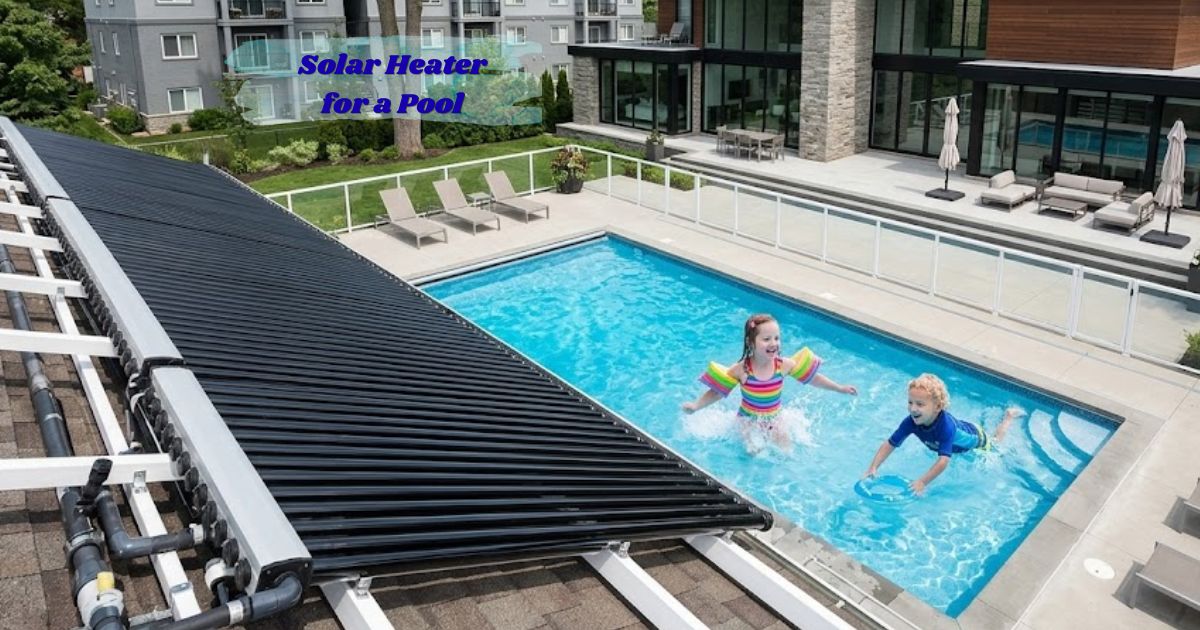
Finding the right solar heater for a pool can genuinely change how much you enjoy it throughout the season. The trick is getting enough sun exposure and matching the right heater type to your pool size and personal needs.
One thing most people overlook early on is how a solar cover, sometimes called a bubble cover, works alongside the heater to prevent heat loss and slow down algae growth.
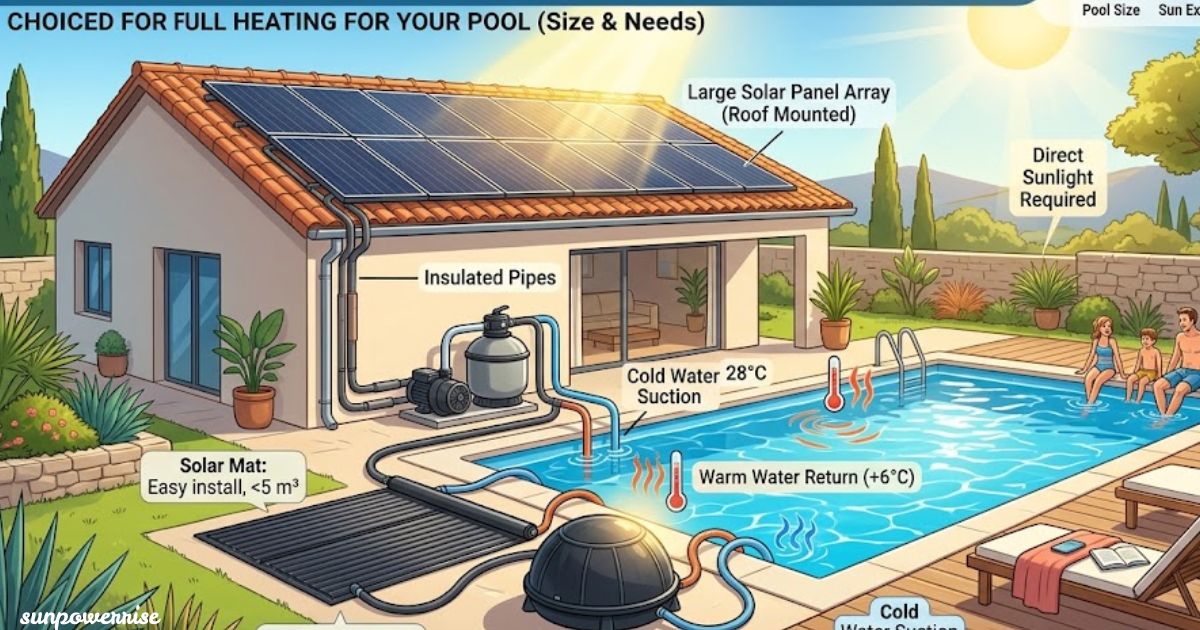
The real magic happens when the hydraulic circuit kicks in, pushing water through the filter pump, heating it through the system, and returning it through the inlet nozzles back into your pool.
Adding a temperature sensor keeps everything automatic, stopping water circulation the moment your pool hits the set temperature and keeping bacteria growth in check.
Enttec Solar Heater For A Pool
The Enttec solar heater for a pool, a mat-style unit measuring roughly 47 inches or four feet by four feet, showed me just how practical these setups can be.
It came with a hose, a diverter valve, a set of fittings, an adapter for an inch-and-a-half connection, and six clamps to tie everything together.
I picked one unit up at Walmart for around 25 dollars and grabbed a second for about 27 dollars, and honestly, for two units at that price, the performance blew me away.
Shifting from Series to Parallel Plumbing
Running the heaters in a series setup first caused noticeable back pressure, so I switched to a parallel setup: water was pumped out through both heaters simultaneously, reconnected at the outlet, then returned to the pool.
After about one and a half hours of pump running, the pool climbed from 84 degrees to 86 degrees, a solid two to three degrees gain that you could actually feel.
Sourcing a vacuum hose from the Intex website at 25 feet solved the distance problem since the standard connection was an odd size that nothing else fits.
Even on a quiet morning with no sun directly overhead, warm water output kept flowing, and that consistency made this the cheapest and easiest solar heating solution I’ve personally tested.
Pros and Cons of Solar Pool Heaters
Harnessing Free and Sustainable Energy
A solar heater for a pool pulls energy straight from the sun without consuming any electricity, making it one of the most environmentally friendly heating choices available today.
The energy it produces is completely cost-free and truly inexhaustible, capable of pushing your water temperature up by as much as five to six degrees, depending on the type of panel selected and the total sun exposure available at your location.
From a long-term perspective, these systems are both straightforward and deeply cost-effective despite carrying a higher initial investment.
Navigating Versatility and Slow Heating Times
One of the biggest advantages is flexibility: a solar heater for a pool works equally well with an in-ground pool or an above-ground pool, and once installed, it keeps delivering temperature increase season after season for many years.
The downside, worth mentioning honestly, is that achieving a rapid temperature increase is not something solar can do quickly; it works gradually, so patience matters here.
You also need enough open space to position your solar panels where they can collect maximum sunlight.
Locking in Warmth with a Solar Cover
Once your pool reaches the desired temperature, the real challenge becomes keeping it there, and that’s where a pool cover earns its place.
A solar cover or bubble cover creates a layer of insulation across the water surface, dramatically cutting heat loss overnight and during cloudy stretches.
This same cover helps suppress algae and reduce bacterial growth, making it a genuinely essential partner to any solar heating setup, not just an optional add-on.
How Solar Pool Heating Systems Work
The Mechanics of Solar Heat Exchange
Every solar heater for a pool connects into the pool’s existing hydraulic circuit, using the flow already created by the filter pump to push water through the system.
Whether you install a solar dome, a heating mat, or full solar panels, the process stays the same: water moves, picks up calories from the sun-heated surfaces, and returns through the inlet nozzles into your pool warmer than it left.
A well-placed temperature sensor monitors the process and stops water circulation through the heater once the set temperature is reached, keeping algae and bacteria growth from taking hold in overly warm water.
Automating Flow and Dual-Season Temperature Control
Most complete systems include a solar collector to absorb heat, a filter to strip out debris before it reaches the collector, a pump to keep everything moving, and a flow control valve that directs pool water where it needs to go.
In hot climates, smart homeowners actually run pool water through the solar collector at night for circulation to cool the pool during peak summer
months a simple trick that works surprisingly well. Sensors paired with an automatic valve or a manual valve handle the switching automatically, sending water through the collector when the collector temperature is higher than the pool temperature, and allowing filtered water to bypass the collector when temperatures equalise.
Comparing Collector Materials and Climate Adaptations
The materials used in collectors vary depending on climate and intended use. An unglazed collector made from rubber or plastic treated with a UV light inhibitor suits pools used only above freezing and costs less due to inexpensive parts and simple design.
A glazed collector built with copper tubing, an aluminium plate, and iron-tempered glass costs more but captures heat far more efficiently in cold climates, supports year-round use, and, in some setups, even handles indoor pools, though both types require proper freeze protection along with heat exchangers and transfer fluids when operating in colder regions and a drain-back mechanism for safety when the system shuts down.
Types of Solar Pool Heaters
Solar Mats
Solar mats, formerly called above-ground solar heaters of a pool, are essentially flexible solar panels designed to be rolled out across any flat surface, and yes, they can technically handle foot traffic too.
Their trade-off is energy output, topping out at around 5 cubic metres, which works well for small pools but falls short for anything larger unless you connect multiple solar mats together using the expansion fittings most kits include.
Solar Domes
Solar domes solve the size problem slightly better, heating up to 15 cubic metres through their signature greenhouse effect.
Sunlight enters the transparent shatterproof polycarbonate dome, heats the water snaking through a long pipe inside it, and returns to the pool noticeably warmer. You can chain solar domes together for even more coverage on medium-sized pools.
Collector materials follow a similar split between budget and performance. Unglazed collectors using heavy-duty rubber or plastic with a UV inhibitor keep costs down and suit seasonal use perfectly.
Glazed systems built with copper tubing, an aluminium plate, and iron-tempered glass deliver superior cold-weather performance and support year-round swimming.
However, both types need freeze protection built into the design for regions that dip below freezing regularly, with the glazing on glazed units adding meaningful protection that unglazed panels cannot match.
Sizing The Solar Heater For A Pool
Modelling System Variables for Success
Getting the size right on a solar heater for a pool saves money, prevents frustration, and honestly makes or breaks how well the whole system performs across the swimming season.
The core variables are the type of solar panel, available sun exposure, actual pool size, and your desired temperature target, and experienced contractors use both worksheets and computer programs to model these together before recommending anything.
A general baseline puts collector size at somewhere between 30 percent and 50 percent of your total pool area, though that number climbs significantly in less sunny regions or when aiming for a longer swimming season length.
Calculating Surface Area Ratios
The surface area relationship between collector and pool is the most critical number to get right. In sun-rich locations, hitting 50 percent coverage often delivers solid results, but in cooler areas or consistently cloudier areas, pushing toward 100 percent of your pool’s surface area becomes necessary to maintain comfortable temperatures.
A 15-by-30-foot pool in Florida typically needs collector coverage matching the full 450 square feet of the pool for year-round use, while the same pool in northern California used 6 to 8 months per year, usually sizes out at 60 to 70 percent and adding a pool cover gives you the flexibility to trim collector square footage without sacrificing performance.
Assessing Tilt, Flow Metrics, and Site Infrastructure
Collector orientation, collector tilt, collector efficiency, and average regional temperatures all feed into the final system design alongside site solar resource assessments.
Panels tilted at roughly 30 degrees catch summer sun most efficiently, and your pool pump needs to match the new flow demands.
Sometimes the existing pump handles it, but switching to a solar system occasionally means stepping up to a larger model or adding a dedicated smaller separate pump just for the collectors.
Site solar resource evaluation, swimming season length planning, and conventional pool heating replacement strategy all belong in the conversation before any equipment ships.
FAQs Of Solar Heater For A Pool
Can you heat a swimming pool with solar?
Yes, a solar pool heater uses sun exposure to raise your pool temperature by five to six degrees, making your swimming season longer without affecting your electricity bill.
Are solar pool heaters worth it?
Absolutely, despite the initial investment of 2,500 to 4,000 dollars, the low annual operating costs and a payback period of just 1 to 7 years make solar pool heaters a genuinely cost-effective choice for any in-ground or above-ground pool.
What is the cheapest way to heat a swimming pool?
A solar mat or basic solar dome connected to your existing filter pump is the most cost-free and environmentally friendly option, with budget units available for as little as 25 to 27 dollars.
How much does a solar powered pool heater cost?
A complete solar pool heating system typically costs between 2,500 and 4,000 dollars installed, though simple solar mat setups cost far less depending on your pool size and collector area needed.
How long do solar pool heaters last?
A well-maintained solar pool heating system lasts between 10 and 20 years, outlasting both gas pool heaters and heat pump pool heaters with minimal maintenance requirements when the pool chemical balance stays consistent.