

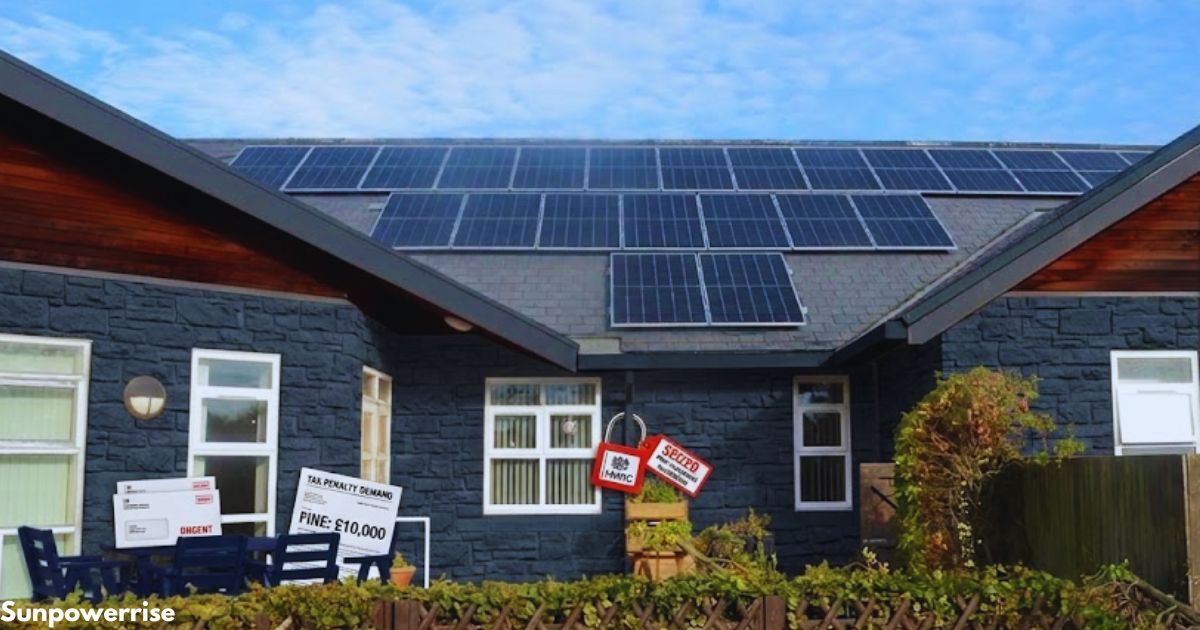
HMRC solar panel fines are becoming a harsh reality for thousands of UK homeowners right now, all because of a looming self-assessment deadline tied to solar panels and the money they earn.
When I first got solar panels on my roof, I never thought a warning letter from HMRC would land on my doorstep. Missing one of these deadlines can trigger an automatic £100 fine, even if you never meant to break any rules.
This guide walks through your tax obligations, your tax responsibilities, and every one of the filing deadlines and Self Assessment deadlines you need to hit to stay compliant. I’ll cover online self-assessment returns, the SEG payments and SEG scheme that trigger all this, and the practical steps that protect your solar investment, your renewable energy systems.
Work Out If Your SEG Earnings Cross the £1,000 Line
From my own experience, the first step is to log into your energy supplier’s account and download your latest SEG statements. These statements show exactly how much you’ve earned from exporting surplus solar electricity back to the grid through the Smart Export Guarantee (SEG). Checking this figure is one of the easiest ways to see whether your solar panel income could have taken you over the £1,000 trading allowance.
Once you know your total SEG payments, add them to any other income you received from freelance work, a second job, or other casual earnings between April 2024 and April 2025. HMRC considers your combined income from relevant sources, rather than looking at your solar earnings on their own.
If your total income goes above the £1,000 trading allowance, it’s important to check whether you have any tax or reporting obligations.
Avoiding HMRC Solar Panel Fines
Two separate figures show just how serious hmrc solar panel fines can be: about 18,033 owners could be missing the 31 October paper deadline, based on the 2.89% of taxpayers who still send returns by post. Mostly 9% of people miss the deadlines every year.
Many of these filing issues come down to one simple thing: people stay completely unaware that their solar income even counts as taxable at all.
The Penalty Structure
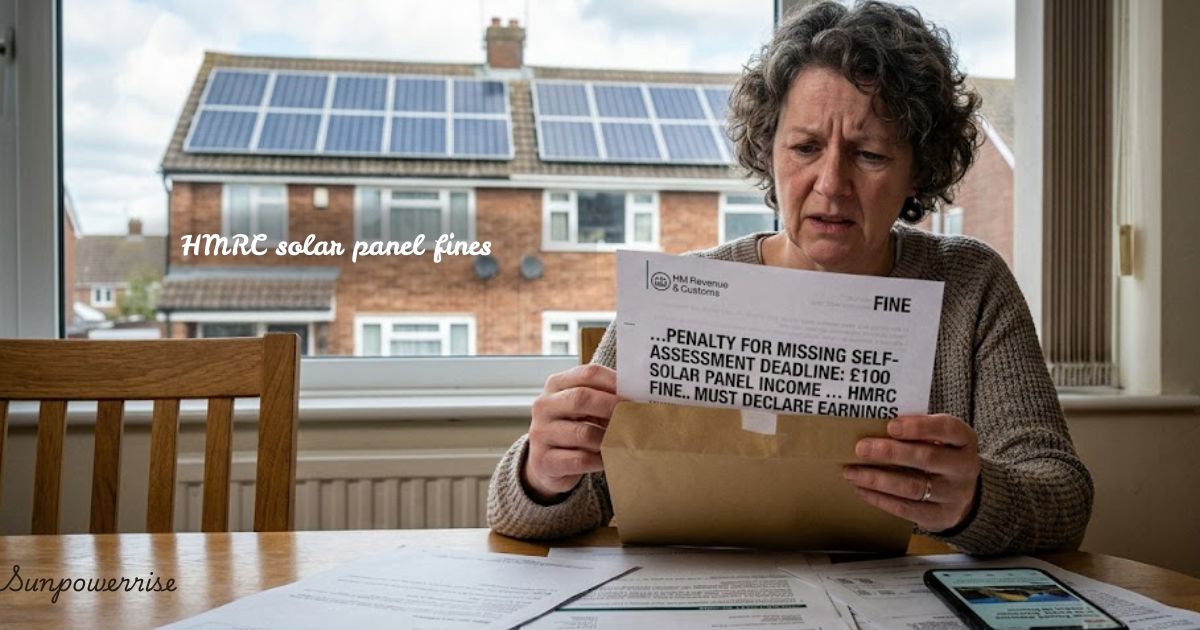
Ignoring an HMRC tax return notice can result in an immediate £100 penalty, even if you have no tax due or tax owed. Leave an unfiled return sitting for three months, and daily penalties and daily charges of £10 start creeping in, capable of adding up to £900 within 90 days.
Push it to six months, and a £300 fine or 5% of the amount, whichever is greater, joins the pile as additional charges. Wait a full twelve months, and the same charge repeats, so what began as one missed notice to file can quickly escalate.
My advice is to triple-check everything and complete return paperwork the moment any letter arrives, because a genuine automatic fine costs far more in stress than the ten minutes it takes to sort out.
Filing Online Buys You Extra Breathing Room
Paper Self Assessment tax returns are generally due by 31 October, while online tax returns give you until 31 January, making online filing the quicker and simpler option.
The self-assessment tool is genuinely quick and simple, it’s built to reduce errors, and your tax return gets processed faster than any posted form ever could. If your side income or extra earnings exceed the £1,000 allowance, you may need to declare the income to HMRC through Self Assessment.
Miss the end of January cut-off, and you’re looking at either the standard £100 fine or the harsher £100 late-filing penalty, both charged by HMRC whether or not any tax owed actually exists once your figures checked cross the £1,000 allowance line.
Don’t Let a Scam Cost You More Than the Fine
When filing your Self Assessment tax return online, stay alert for HMRC scams. Fraudsters often use unexpected emails or text messages to impersonate tax officials and trick homeowners into sharing financial information.
The numbers around HMRC Solar Panel Fines back this up: 170,000 scam reports landed with HMRC last year alone. National Trading Standards puts the average scam cost at a painful £1,730 per victim, which is a lot to lose over one unsolicited message.
Always use official GOV.UK websites, avoid clicking suspicious links, and verify unexpected messages before taking action. Staying vigilant can help protect you from costly tax scams and potential financial losses.
How to Stay Ahead of Your Self Assessment Deadline
Based on my own experience, preparing early is always better than leaving everything until the last minute. If you think your solar panel earnings or other extra income may require you to file a tax return, start by using HMRC’s eligibility checker on GOV.UK.
After that, use the official online tools and guidance to prepare your tax return and aim to file digitally well before the deadline. If you’re still unsure about anything, don’t take unnecessary risks, speaking to an accountant or tax adviser can help you get the right advice and avoid last-minute stress, mistakes, or potential penalties.
Who Actually Gets Caught Out
It’s easy to think that Self Assessment only applies to full-time freelancers, but the rules can cover a much wider range of income. Untaxed side work, self-employment, rental income, the High Income Child Benefit Charge and certain SEG payments from renewable energy generation may all need to be considered when checking your tax position.
Many homeowners, including those in areas such as Wokingham, may assume their finances are too straightforward to require a tax return. Checking your filing obligation early can help you avoid missed deadlines, unnecessary paperwork and a potential £100 HMRC penalty.
Where to Get Help
If you are still unsure, HMRC runs a dedicated Self Assessment helpline, and a page walks through the most common questions step by step.
You can also reach out to Citizens Advice or a qualified accountant for personal guidance tailored to your own numbers. A quick call to a tax adviser or the helpline is often all it takes to settle nerves before a deadline.
The overall lesson here is simple: don’t ignore even small amounts of HMRC solar panel fines or solar income, since it is always safer to file early than to scramble at the last minute.
When in doubt, just declare it, because HMRC would rather see an honest, early return than chase down a missed one months later. From my own experience helping neighbours check their statements, that single habit avoids almost every fine before it starts.
FAQs
How to get out of HMRC Solar panel fines?
You can appeal a fine if you have a reasonable excuse, like illness or a technical issue with HMRC’s online system, but you must file your return and pay any tax owed as soon as possible to limit further penalties.
Do I need to declare income from solar panels?
Yes, if your total SEG and side income go above the £1,000 tax-free trading allowance, you must declare it through self-assessment.
Why is my electricity bill so high when I have solar panels in the UK?
Solar panels only cover daytime generation, so bills can still climb from evening usage, battery inefficiency, or rising energy tariffs. It’s a frustrating reality many solar owners don’t expect.
What is the HMRC warning for anyone with over £3,500 in their bank account?
HMRC can ask banks to share account details if savings interest looks high enough to owe tax, so anyone with substantial savings should check if they’ve crossed their personal savings allowance.
What is the 4-year rule for HMRC?
HMRC can normally go back 4 years to correct an innocent tax error, though this window extends to 6 years for carelessness and 20 years for deliberate evasion.