

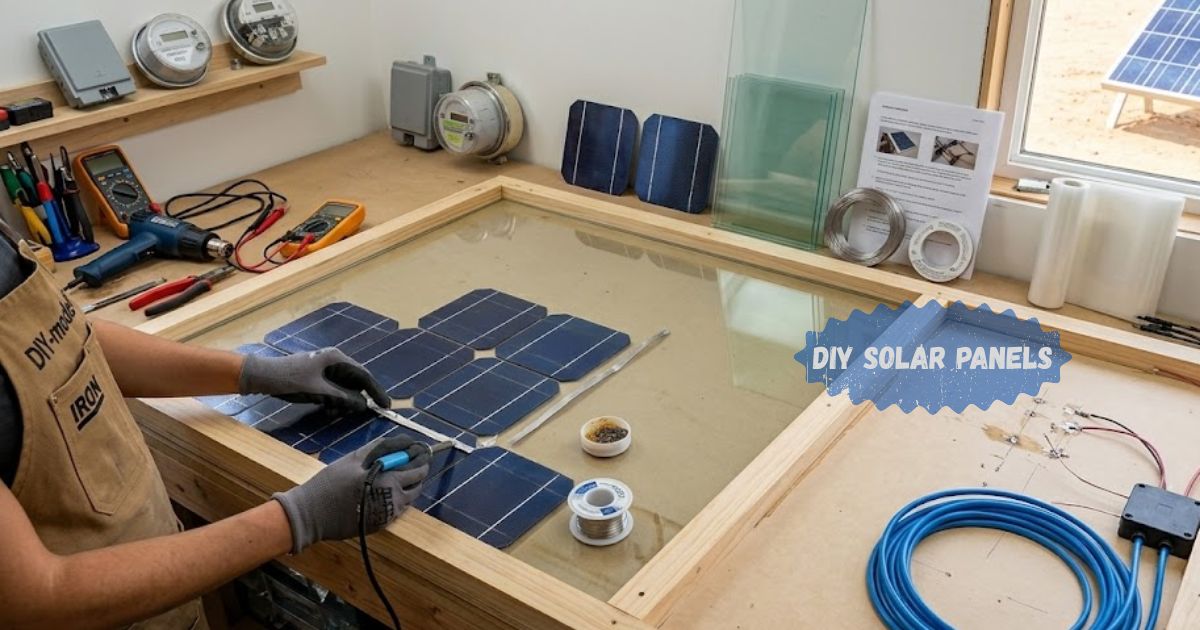
If you have ever stood on your roof fixing a broken tile or rewired a plug without breaking a sweat, then DIY solar panels might genuinely excite you.
Many UK homeowners are now choosing to install their own solar PV system to cut electricity bills and shrink their carbon footprint, and honestly, the idea makes a lot of sense when you see that a 3.5kW professional setup can cost around £6,000, with roughly 10% of that going straight to professional installation fees.
Most people do not realise that a proper solar PV system involves working with live wiring, connecting to the National Grid, and getting sign-off from your DNO under G98 or G99 rules, which is exactly why we always say consult an electrician before you begin.
The good news is that equipment is now widely available online, prices have dropped significantly, and options like portable kits, second-hand panels, and smaller off-grid setups have made DIY more accessible than ever.
A 3.4kW 10-panel setup from Plug-in Solar comes in at £4,728, and if a full rooftop array feels too ambitious, you can pick up a solid kit for a garden office or caravan for under £1,000.
Main Steps of Installing DIY Solar Panels
Securing the Base: Safety and Structural Foundation
Before anything goes up on your roof, you need proper scaffolding in place. This is not optional, and a basic scaffold tower may work for some jobs, though a full scaffold setup is safer for larger rooftop installs.
Once you are safely up there, the first real task is fitting the roof anchors, because PV panels are heavy and solar panels will not stay put through a British winter without being properly secured to your roof structure. After the anchors are in, you lock your racks and mounts onto them, making sure everything is solid before a single panel goes up. This step is where rushing causes the most expensive mistakes.
Panel Mounting and Critical Electrical Configuration
With your racking system secure, fitting the PV panels themselves is actually the straightforward part since these components are largely mass-produced and designed to clip into place cleanly.
After the panels are mounted, you move to the electrical side: DC isolators go in first to allow safe shutdown during maintenance or an emergency, followed by earthing and bonding of all metal components in line with current wiring regulations. Getting your string sizing right and nailing your inverter configuration at this stage is critical.
Panels wired outside the voltage and current limits of your inverter create a serious fire risk that no amount of enthusiasm will fix.
Cable Routing, Alternative Mounts, and Grid Compliance
Next comes the wiring run: DC cable routing must follow BS 7671 standards, use proper labelling, and include surge protection devices SPDs at the right points before you connect anything to the inverter.
For ground-mounted or A-frame setups on a flat roof or in the garden, you will either fix a frame into the ground or use a pole mount, then run your cables and connectors back to the inverter, following the same BS 7671 rules.
The final connections tying your inverter into the grid, notifying your DNO under G98 or G99, sorting your MCS certificate, EPC, and planning permission if needed, and running your full commissioning and testing sequence are where an electrician is not just helpful but genuinely essential for safety and compliance.
The Risks of DIY Solar Panels
The Invisible Hazard: High-Voltage DC Arc Faults
One of the most serious risks in any DIY solar project is electrical safety. These systems generate high-voltage electricity, and incorrect wiring can trigger DC arc faults, which are a well-documented cause of solar-related fires that can destroy a home.
Unlike a standard plug socket, a solar system running in full sun cannot simply be switched off at the wall, which is why DC isolators, proper circuit protection, and correct inverter setup are not suggestions but hard requirements.
Many DIY installers underestimate this danger until they are standing on a hot roof with live DC cables in their hands. Do not be that person.
Structural Integrity and the Perils of DIY Mounting
Beyond electrical safety, poor mounting systems can cause serious roof damage and structural damage to your home over time, especially when panels are fixed without checking structural support or compatibility of roofing materials.
Panel detachment during strong winds or extreme weather is a real risk when the installation is done without professional safety tests like electrical commissioning, thermal inspections, and performance verification. Professional installers carry out all of these checks as standard, and skipping them not only puts your home at risk but also leaves you personally liable for any system damage or injury that results.
The Long-Term Fallout of Skipping Compliance
The combination of installation errors, missing compliance checks, and ignored safety standards can turn a money-saving project into a very expensive disaster.
Arc faults, inverter failures, and maintenance nightmares tend to show up months after the initial install when the certification gap becomes impossible to ignore.
Going in with a clear understanding of these risks rather than discovering them after the fact is the only responsible way to approach a DIY solar panels.
What Are the Best DIY Solar Kits?
Several specialist retailers have built strong reputations for supplying quality DIY solar panels to the UK public, with Plug-in Solar, Renology, Select Solar, and Sunstore Solar all worth exploring before you commit to a purchase.
Entry-Level On-Grid Kits
The Plug-In Solar 340W on-grid kit starts from £750 and includes one MCS-certified monocrystalline solar panel measuring 1690x1005x35mm, an Enphase micro-inverter, system isolator, roof mount kit, all cabling and connectors, plus an instruction manual and email warranties.
You supply the earthing equipment and a live National Grid connection. For a straightforward first on-grid install, this solar panel kit hits a sensible balance between quality and price.
Scaling Up for Off-Grid Independence
If off-grid is more your style, the Renogy 800W Monocrystalline Solar Premium Kit at £1,259 delivers everything you need to run a garden office or mobile home completely independently, including a battery, charge controller, Bluetooth remote monitor, and all cables a serious premium kit for serious off-grid ambitions.
Renogy also offers entry-level off-grid kit options starting from £110 (normally £170) for a single 100W panel without a battery, and the popular Renogy 200W 12V General Off-Grid Solar Kit sits at around £230, making it a brilliant starting point.
UK DIY Solar Panels Regulations
The short answer is yes, UK law treats solar panels as permitted development in most cases, which means you do not need planning permission as long as you follow a few basic rules.
Your panels must not stick out more than 20cm from the roof surface, they need to sit below the highest part of the roof, and the whole setup must minimise visual impact on the surrounding area.
However, if you live in a listed building, sit within a conservation area, or your home is a flat or apartment, the rules tighten up, and planning permission becomes a real requirement you cannot ignore.
Even in straightforward cases where permitted development rights apply, your DIY installation must still meet building regulations and pass electrical safety checks, something many people overlook when they are excited about cutting costs.
What DIY Solar Panels Are Out There in the UK?
Affordable Upgrades
The UK market for DIY solar panels has expanded significantly, and today you can find everything from full rooftop systems to compact portable solar kits designed for outdoor life, mobile homes, and hobbyists who want energy independence without the complexity of a grid-tied install.
Second-hand panels and salvaged solar systems represent one of the most budget-friendly routes available because efficiency keeps improving, many people upgrade their systems and offload used panels at almost no value, which is genuinely great news if you are working to a tight budget.
Flexible Off-Grid Power: Portable and Remote Applications
Portable solar units have come a long way in recent years and now sit in a genuine grey area between hobby kit and practical home energy solution.
Their ease of use, competitive price point, and increasingly impressive efficiency make them a real option for smaller households and anyone living somewhere traditional solar setups simply do not work.
For remote spots like a garden office, campervan, or houseboat, a single lightweight, flexible panel can cover all your power needs without any grid connection headaches.
These off-grid options work brilliantly for the right situation and represent the most accessible entry point into the DIY solar PV systems world for someone starting from scratch.
DIY Ground-Mounted Solar Panels in the UK
Regulatory Reality: Compliance and Grid Approval Below the Roofline
Ground-mounted DIY solar panels offer a genuinely appealing alternative to rooftop systems for homeowners with enough outdoor space, and on the surface, they seem easier to install because you are not working at height.
However, the same compliance and regulations apply; you still need grid connection approval, proper electrical certification, and MCS eligibility if you want access to export payments, and your DNO needs to know about the system size and ground mount setup.
Treating a ground-mounted system as a simpler version of a roof install is the kind of assumption that leads to expensive mistakes.
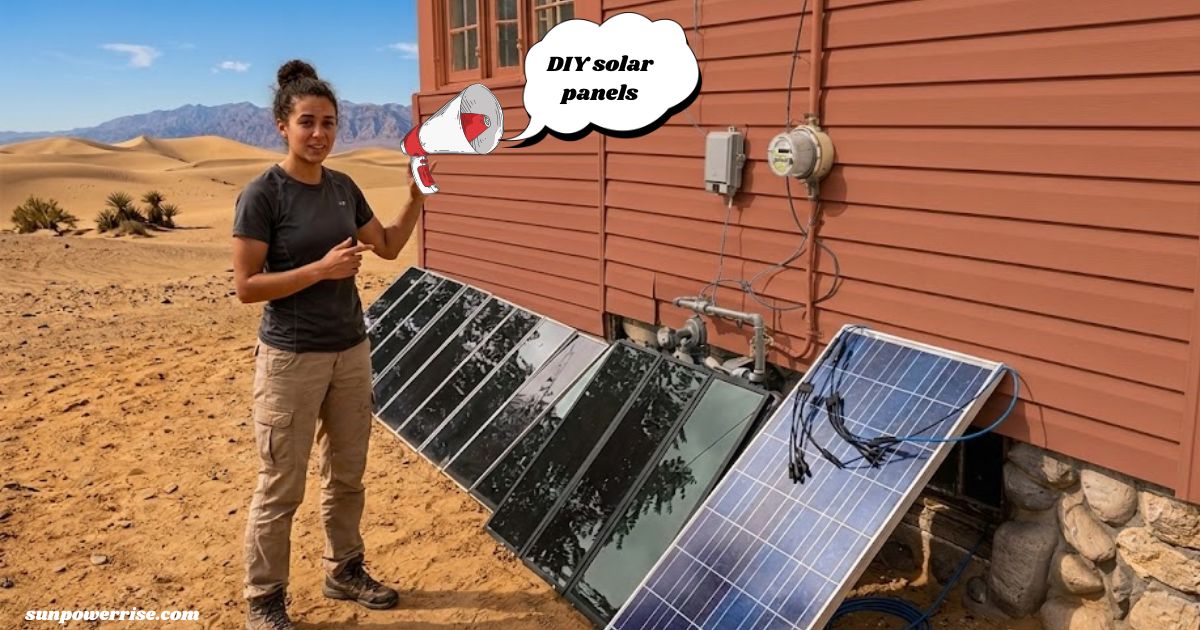
Permitted Development and Storm-Proof Foundation Design
Planning permission also becomes a more likely requirement with ground-mounted setups, particularly if your A-frame or pole mount system is large enough to be visible from a public road or neighbouring property.
Structural support for the foundation matters just as much as it does on a roof. A poorly anchored ground mount in a British storm is a genuine hazard.
Getting your certification, regulations, and planning permission sorted before the first post goes in the ground saves you from having to dismantle and redo everything at high cost.
FAQs
Do I need planning permission to install DIY solar panels in the UK?
In most cases, no solar panels fall under permitted development rights as long as they sit below the highest point of the roof and do not extend more than 20cm from the roof surface.
Can I qualify for the Smart Export Guarantee (SEG) with DIY solar panels installation?
No the SEG scheme requires your system to hold MCS certification, which in practice means it must be installed by an accredited professional.
Is it safe to install solar panels yourself without an electrician?
It is strongly inadvisable solar systems generate high-voltage DC electricity, and incorrect wiring can cause DC arc faults that lead to serious fires.
Will my home insurance still be valid if I install solar panels myself?
Many home insurance policies specifically require solar panels to be fitted by a certified professional, and a DIY install could result in refused claims, voided coverage, or increased premiums. Always check your policy terms before starting any self-installation work.
What is the cheapest way to get started with DIY solar panels in the UK?
The most affordable entry point is a small off-grid kit options like the Renogy 200W 12V General Off-Grid Solar Kit start at around £230 and work perfectly for powering a garden office or caravan.