

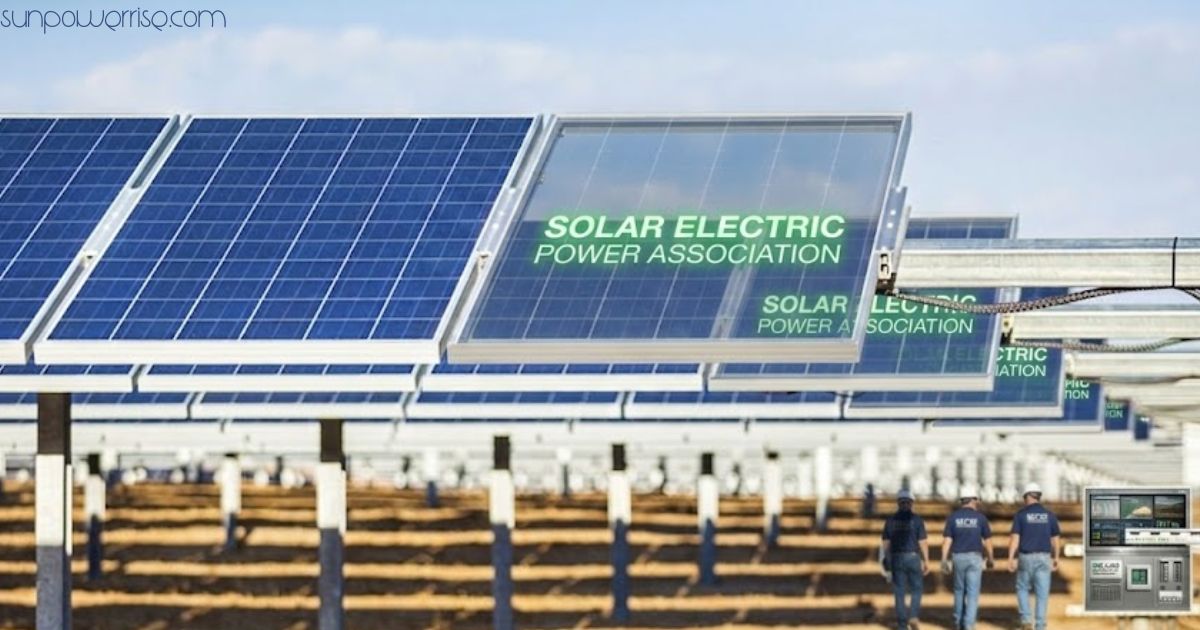
I have followed the Solar Electric Power Association story for years, and I still find its journey worth telling. This trade body, founded in 1992 near Washington, DC, began as a small nonprofit organisation designed to help utilities across the United States use solar power more effectively.
Over 24 years, the group grew into a respected educational non-profit that guided its members toward solar deployment and smarter energy resources, and on April 11 2016, it took on a rebrand, choosing a name change and becoming the Smart Electric Power Alliance.
That shift matched the fastest-growing nature of the industry, since solar and other clean energy technologies no longer worked alone but blended with complementary technologies to help the grid generate power, deliver power, and let households consume power as one connected clean energy economy, all while supporting steady growth in U.S. energy sources and building genuine sustainable use of the country’s resources.
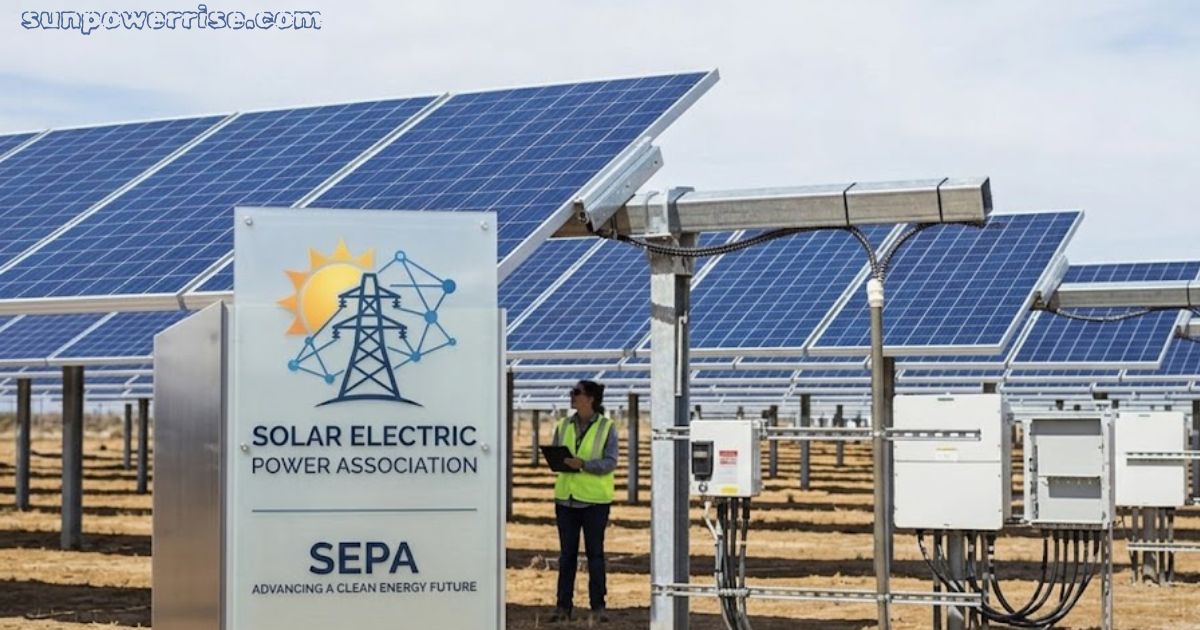
Reason For The Name Change of the Solar Electric Power Association
When I dig into why SEPA changed its official name, the reasoning still makes sense to me today. According to Steven Malnight, Senior Vice President of Regulatory Affairs at Pacific Gas and Electric Company (PG&E), the renewable energy sector continues to evolve rapidly, fueled by fast-changing clean energy technologies and increasing innovation.
As reasons why the organisation needed a name that matched the industry reality, and he praised SEPA’s balanced views and thought leadership as valuable during this transformation.
Julia Hamm, SEPA’s President and CEO, added that utility integration of solar remained the core focus, even as the group’s work expanded to cover sophisticated technologies, distributed energy resources, smart technology, and smart solutions across both the distribution grid and the transmission grid.
She framed the deployment of solar as one part of a larger goal: delivering clean, affordable, reliable power through collaboration, cross-industry collaboration, and unbiased research, strengthening the nation’s energy infrastructure, with the change becoming official on April 11 2016 and proving that clean energy and resources grow strongest when shared across the whole network.
Mission Expansion & Merger with the Association for Demand Response
SEPA did not stop at a new name; it backed up its expanded mission with real action, starting the previous fall when the Association for Demand Response and Smart Grid completed a merger, combining forces to cover a broader focus on distributed energy technologies.
This move let the group build an expanded research agenda, roll out a new logo and a new website, and host fresh educational events covering smart grids, demand response, energy storage, and energy efficiency, all part of a full range of services tracking the industry evolution of the sector.
Chris King, Chief Regulatory Officer at Siemens Digital Grid, shared his enthusiasm about the change and noted that Siemens saw these as important topics, pointing out that technology and business models across distributed energy resources were shifting fast, calling the space genuinely fast-evolving.
What is SEPA? (Founding & Background)
To understand what SEPA truly stands for, it helps to go back to 1992, when its founders launched the group and gave it headquarters in the Washington DC metro area as a nonprofit built around one clear mission.
From the start, the team behind it worried about environmental concerns, including the risk of resource overexploitation, so it pushed for renewable energy adoption, quality solar equipment, and better sustainable distribution of energy resources across the country, having founded its programs in that same year, 1992.
Julia Hamm and the wider team kept solar deployment and solar energy as a central focus, while also integrating technologies to support the broader clean energy economy.
The Modern Electrical Grid
Building a strong modern electrical grid stands out as another key focus area for SEPA, and the group treats reliability and trust as the two pillars that hold everything together.
Its staff expertise covers DER integration, transportation electrification, regulatory innovation, and utility business models, giving the organization real skill with each distributed energy resource it touches.
By acting almost like a one-stop shop, SEPA helps utilities work through modern grid challenges and reach practical clean energy solutions.
The Future
Looking ahead, I believe the way we harness solar power will shape the future of energy for everyone.
Cheaper, affordable energy built from solar sits at the heart of the planet’s long-term security (its planet’s long-term security), and SEPA keeps working toward future progress on this front.
Utility Solar Conference (USC)
The official switch of Solar Electric Power Association to the Smart Electric Power Alliance name lined up with the 8th annual Utility Solar Conference (USC), which took place in Denver, Colorado.
Many in the field still call USC the organisation’s signature event, a lasting symbol of commitment to solar, and it gives utilities a shared platform to learn best practices for deploying solar and other distributed technologies across the grid.
FAQs
When did SEPA officially become the Smart Electric Power Alliance?
The name change took effect on April 11, 2016, timed to coincide with the 8th annual Utility Solar Conference in Denver, Colorado.
Does SEPA still focus on solar energy?
Yes. Leadership has repeatedly said utility integration and deployment of solar remains a core focus, even with the broader mission.
When was SEPA founded, and where is it based?
SEPA was founded in 1992 and is headquartered in the Washington DC metro area as an educational non-profit organisation.
What technologies does SEPA cover beyond solar?
SEPA’s expanded mission includes demand response, smart grids, energy storage, and energy efficiency, following its merger with the Association for Demand Response and Smart Grid.
What role does SEPA play in building a modern electrical grid?
SEPA focuses on reliability and trust, offering staff expertise in DER integration, transportation electrification, regulatory innovation, and utility business models.