

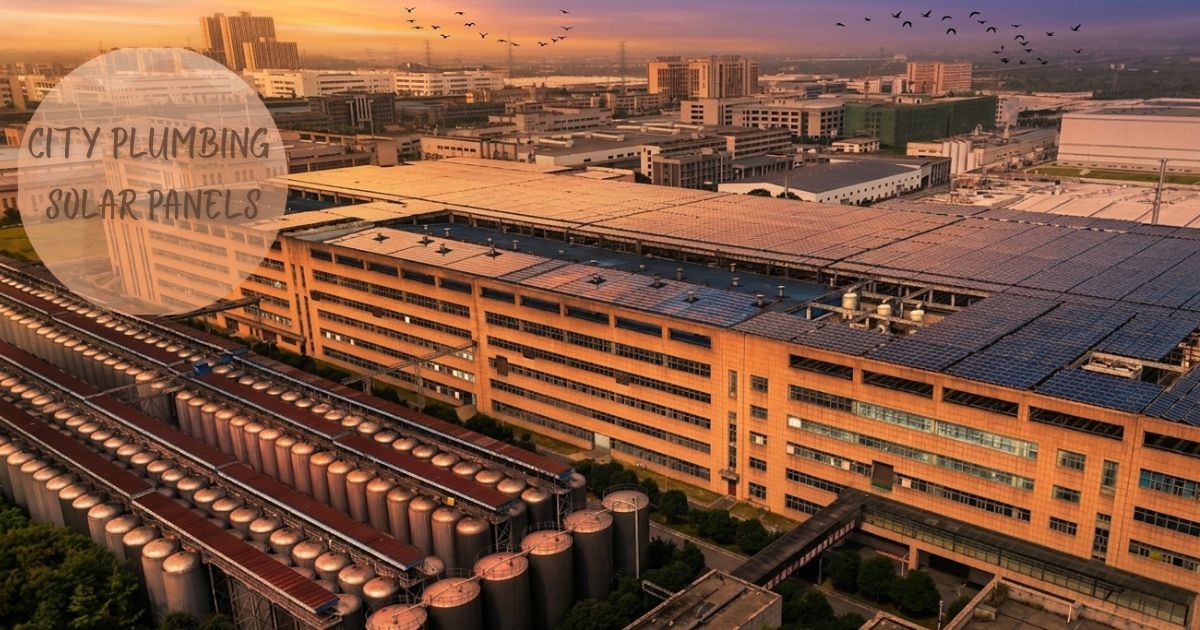
City Plumbing Solar Panels come from a major UK supplier of solar photovoltaic (PV) technology, offering everything from individual high-efficiency modules to full installation kits.
They cater to DIY homeowners, trade professionals, and custom configurations such as van conversions, with stock ranging from budget-friendly entry panels through to premium all-black high-wattage modules, plus the components needed to wire a complete system.
This guide has been updated to reflect City Plumbing Solar Panels’ current product range, real pricing on the shelf today, and the practical lessons buyers have shared after actually installing these panels, not just the spec sheet.
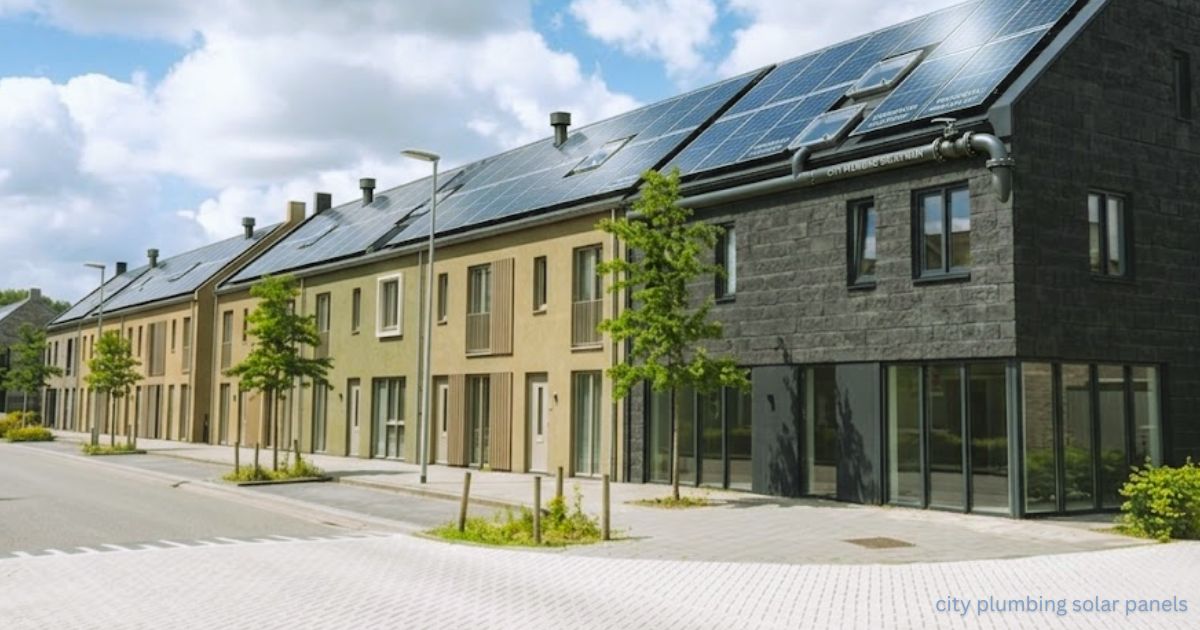
Current City Plumbing Solar Panels Pricing
Panel pricing on City Plumbing Solar Panels has moved a fair bit. Older reviews (and some earlier versions of this article) quote 400W panels around £57 and 425W panels around £57.98 and there’s plenty of forum chatter backing that up as accurate for a while. But that stock has since shifted toward higher-wattage, all-black premium panels, and the pricing has moved with it:
|
Panel |
Approx. Price (inc. VAT) |
|
JA Solar 465W Black Frame |
~£96.60 |
|
Jinko Tiger Neo 3.0 470W All Black |
~£120.46 |
|
DMEGC 465W G12 All Black |
~£126.25 |
|
DMEGC 515W All Black |
~£141.12 |
|
LONGi Hi-MO X6 Max 505W All Black |
Pricing varies by branch/stock |
The takeaway: if you’re planning around the old ~£57 figure, check current branch or online stock before you budget.
City Plumbing’s range has clearly moved upmarket toward higher-output, all-black panels rather than staying at the bargain end, and the days of a sub-£60, 400W panel appear to be behind us for now.
What City Plumbing Actually Sells
It’s worth clearing this up first, because a lot of write-ups blur it together: City Plumbing splits its renewables range into three distinct product lines, and which one you need depends on your project.
Solar PV panels and kits: the core panels, mounting systems, inverters, cables, and switches most van converters and off-grid builders are after.
Plug-in solar PV: a newer, fast-growing category covering ready-to-use kits that connect straight into a standard outdoor socket, aimed at balcony and garden setups rather than full roof installs.
Solar thermal is a separate product family entirely, covering hot water panels, pipework, and packages from brands like Grant, Solfex, Worcester Bosch, Armacell, and Altecnic. If your goal is heating water rather than generating electricity, this is the range to look at, not PV.
Most guides (including earlier versions of this one) only ever talk about the PV panel range. The other two are worth knowing about even if you don’t need them, because search results for “City Plumbing solar panels” increasingly point to all three.
Complete Off-Grid Kit Costs
For a rough off-grid or van conversion budget built around City Plumbing Solar Panels, the components you’ll typically be pricing out are:
A solar panel (see pricing above)
A 40A MPPT controller
A DC-to-DC charger
6mm cable rated to 80A
A lithium battery (commonly 100Ah)
Mounting fixings and a fuse link for safe isolation
Older estimates put a full kit panel, controller, charger, cabling, and fixings around £243, with a 100Ah lithium battery adding roughly £170 on top, landing near £413 all-in for DIY. Professional installation at trade or family rates pushed that closer to £800.
Given the panel price increases above, expect the DIY total to land somewhat higher today, though the battery and electronics costs have stayed comparatively stable.
The MPPT Controller Mistake Worth Knowing About
Here’s something the spec sheets won’t tell you, but van and camper owners keep running into: as City Plumbing’s panel wattages have crept up, older MPPT controllers haven’t kept pace.
It’s now common for someone with a controller rated for 480W to find they could physically fit a 600W panel in the same roof space, but their existing controller simply can’t handle the extra output safely.
If you’re upgrading a panel rather than building from scratch, check your controller’s rated capacity against the new panel’s wattage before you buy.
Pairing a bigger panel with an undersized controller doesn’t just waste potential output it can trip protection circuits or shorten the controller’s life. This is one of the most common and least-discussed mistakes in DIY solar upgrades.
Also worth remembering: connect the battery to the controller first, then the panel, to protect the electronics and a fuse link for isolation is generally considered sufficient without needing a separate rotary isolator, though always check your specific components’ documentation.
Plug-In Solar: A Newer Option Worth Considering
If a full roof or ground-mount installation isn’t what you’re after, City Plumbing’s plug-in solar range is worth a look.
These are ready-to-use kits up to 800W built around G98-approved microinverters that connect directly into a standard 13A outdoor socket, designed for balconies, gardens, and similar spaces rather than full off-grid or whole-home setups.
UK rules around this category changed as of late August 2026, and City Plumbing’s kits are built to be compliant with the updated regulations.
One important caveat that’s easy to miss: even with a fully certified, compliant microinverter, you’re still expected to submit a formal notification to your local electricity network operator after installation. It isn’t quite the “plug in and forget it” experience the marketing sometimes implies; there’s still a paperwork step, even though the physical setup is genuinely simple.
Where to Buy
City Plumbing runs dedicated solar hubs across England and Scotland, including St Albans, Salford, Sheffield, Gloucester, Exeter, Birmingham Aston, Sidcup, Coatbridge, and Southampton Portswood, alongside standard online ordering with click-and-collect or next-day delivery.
Panel deliveries are generally scheduled for morning drop-offs, which installers have noted helps avoid weather delays and reduces the chance of stock sitting exposed on site overnight.
Worth flagging from buyer discussions: not every branch carries the same stock, and collection experiences vary.
Peterborough gets mentioned repeatedly by van and motorhome owners as a branch with good availability and helpful staff for loading larger panels if you’re planning a collection trip, it may be worth calling ahead to confirm what a specific branch actually has on the shelf that day, rather than assuming national stock listings apply everywhere.
What Real Buyers Say
Independent reviews on Trustpilot for City Plumbing Solar Panels tend to run positive overall, with several specific panels sitting around 4.5–5 stars from verified purchasers. Common themes in the feedback:
Buyers frequently compare the price-per-watt favourably against budget imported panels, noting that similarly priced imported alternatives often deliver noticeably less output for the same money.
Build quality and the look of the all-black panel options get called out often as better than expected for the price point.
A minority of reviews flag delivery hiccups or promotional discounts not being applied correctly at checkout not universal, but common enough to mention if you’re ordering online and expect a specific promo code to work.
On motorhome and van conversion forums, owners running two 425–440W domestic panels on a single vehicle report being pleased with output and durability, with several mounting panels directly onto Unistrut rail rather than paying extra for van-specific brackets.
Panels are commonly rated to withstand wind uplift equivalent to roughly 100mph when properly secured, reassuring if you’re worried about motorway driving speeds affecting a roof-mounted panel, though correct mounting technique matters more than the panel’s rating alone.
FAQs
How much do City Plumbing solar panels cost?
City Plumbing offers 400W solar panels at around £57 and 425W panels at £57.98, making them one of the most affordable options for off-grid and van conversion projects.
Can City Plumbing install any type of solar panel?
Yes, our certified technicians are trained to install a wide range of solar panel systems, including monocrystalline, polycrystalline, and thin-film panels, ensuring the perfect fit for your home’s energy needs.
What are the prices of City Plumbing’s solar panels?
Pricing varies based on system size, panel type, and installation complexity. We offer free, no-obligation quotes so you can find an option that truly fits your budget and your home.
Who qualifies for free solar panels?
Homeowners meeting certain income criteria or enrolled in government energy assistance programs may qualify for fully-funded solar installations,
Where can I buy City Plumbing solar panels?
Solar hubs are located across England and Scotland, including St Albans, Salford, Sheffield, Birmingham Aston, Exeter, Gloucester, Sid cup, Southampton Portswood, and PTS Coatbridge. Online orders are also available with free next-day delivery or click and collect.
What components do I need alongside the solar panel?
A typical setup requires a 40A MPPT controller, DC-to-DC charger, 6mm cable rated to 80A, a lithium battery (e.g., 100Ah), and appropriate fusing and fixings.