

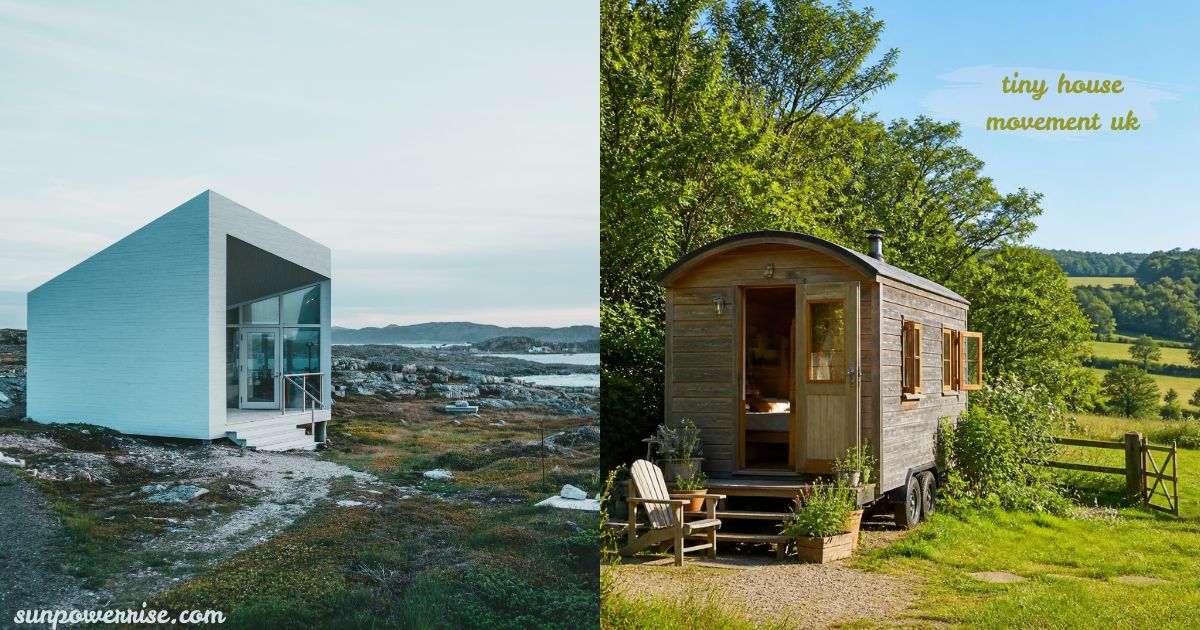
I remember the first time I stepped inside a tiny home near the coast. I expected to feel cramped, but I felt calm instead. That one visit changed how I think about property, money, and freedom. The tiny house movement UK is growing because people want less stress and more control over their lives.
Tiny House Movement UK
A tiny house is not just a small houses trend; it is a mindset shift away from consumerism and toward a simplified life. People choose caravans, yurts, and repurposed shipping containers because these homes fit their way of being rather than forcing them into a one-size-fits-all box.
Builders in the UK now offer options that range from 10 m² to 50 m², giving buyers a small, smart, efficient space without giving up comfort.
Two main styles shape the tiny home world today. The first is wheels-based and mobile; these units are road legal, licensed, plated, and can be towed just like caravans, usually sitting between 10–25 m² for easy travel and a flexible life.
The second style stays fixed, built from modular houses on a solid base, often reaching 40–50 m², feeling far more permanent, and offering customizable kitchens, bedrooms, and baths.
This is where minimalism, sustainability, and financial freedom meet in one architectural sense. Every layout supports organised storage, cuts down on possessions, and still leaves room for happiness.
Environmentalists and people tired of the rat race often find this social trend matches their goals for a happy life and a genuine downsizing of everyday physical space, sometimes even paired with a holiday retreat. This is exactly why the tiny house movement UK keeps pulling in new believers every year.
Benefits of Tiny Homes
Money is usually the first thing people ask me about when they look into the tiny house movement UK, and the numbers speak for themselves.
The average UK house price climbed past £268,349 in recent years, while a well-built converted shipping container home can carry a starting price as low as £41,999, creating a saving of roughly £226,350 against a conventional home. That kind of low purchase price eases pressure caused by tight supply and rising demand across the housing crisis.
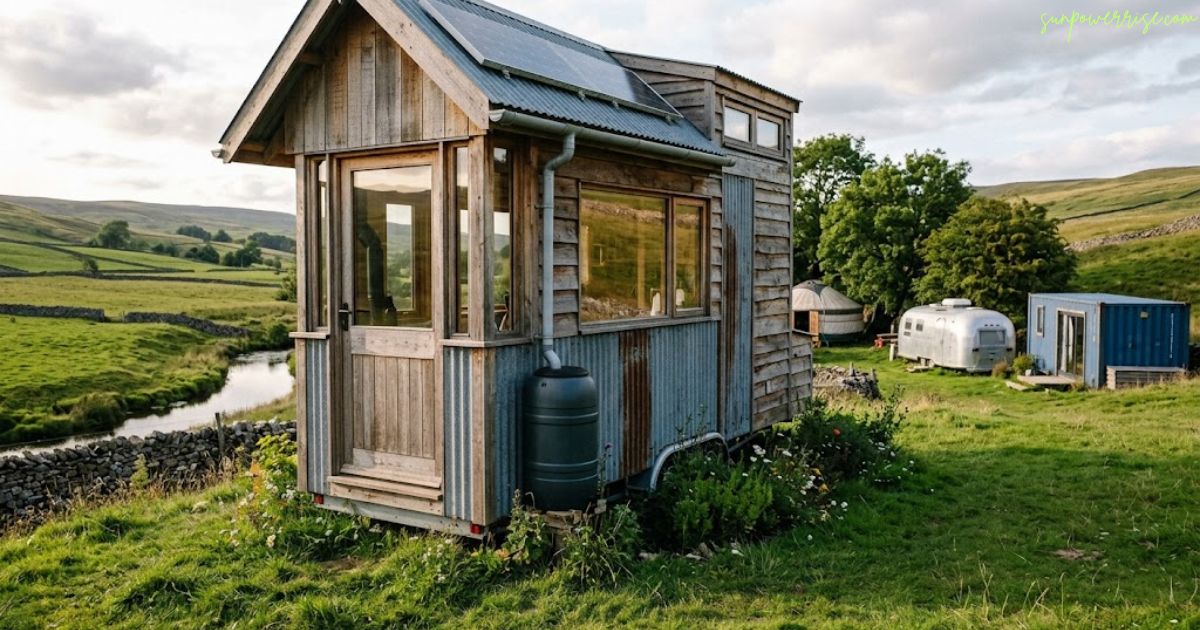
Living small also cuts running costs in ways that surprised me. A smaller UK property needs less power, water, and gas, so many owners add solar power and become self-sufficient, shrinking their carbon footprint while enjoying environmentally cost-effective daily routines.
Careful buying, multi-use furniture, less wastage, growing vegetables, and even tending livestock all support reduced living costs, energy reduction, and real saving money, alongside quicker cleaning and less waste.
There is a mental side to this too, and I felt it myself during that coastal visit. Trading the concrete jungle for open countryside brings improved mental health, replacing car horns with bird calls and busy phone notifications with trees swaying in the breeze.
Savings of Tiny Homes
DIY vs. Prefab Tiny Home Costs
Pricing a tiny home depends on several cost factors, and I always tell people to think about materials, style, and who handles the construction.
Someone refurbishing an old structure can spend as little as £6,500, though average spend usually lands between £12,000 and £15,000 for storage containers, flat-pack homes, or van conversions, based on average figures from real personal budgets.
Choosing an expert construction route naturally raises the number, but it also raises quality. Pre-fabricated tiny houses commonly cost between £35,000 and £60,000, shaped by size and standard, while a small mobile model stays far more budget-friendly than larger modular homes offering full comfort.
Savings do not stop once the keys arrive, which is the part people forget to ask about. Owners avoid expensive rent and heavy mortgages, often saving between £780 and £1,057 a month according to 2020 data, a figure that improves further with off-grid gas setups.
Types of Tiny Homes
Container Homes
The variety within the tiny house movement UK genuinely surprised me when I started researching builders.
Shipping containers remain a favourite thanks to their solid structure and rustic metal aesthetic, offering a modern minimalist style that is easy to insulate.
While stacked containers suit families downsizing into a bigger space, eco-cabins made from wood and sustainable materials stay fully insulated all year round and often become popular holiday homes or Airbnbs on gardens or small plots of land.
Mobile Living Options
Mobility drives another whole category of design that keeps growing every year. Van conversions ride the van life movement seen across Instagram, offering a real kitchen and bathroom for freedom of the road, while home on wheels units act as road-legal structures pulled behind car rather than built into campervans.
A houseboat or narrow boat avoids real estate costs entirely, needing only a boat license and mooring fees, and a caravan, whether a small static or a traditional caravan, can be moved around or set legally on a plot of land.
How to Build a Tiny House
Plan & Assess Feasibility
Building your own place starts long before any tools come out, and I always tell first-timers this step matters most. Planning shapes the entire blueprint, factoring in budget, skill level, and the suitability of location before anyone touches a shipping container.
Live Off Grid works through this stage with clients so the construction process matches their tiny house needs from day one.
Source the Shipping Container
Sourcing the right shipping container changes both price and effort. A pre-used container offers a lower purchase price but usually needs upcycling to reach proper habitation, while a brand new container can shape a genuine dream home without that extra work.
Modify & Reinforce the Structure
Either way, turning a metal box into a safe habitat demands real architecture, since removing panels for windows and doors can weaken structural integrity, so teams reinforce with steel beams and welding, then add insulation for temperature regulation.
Deliver, Install & Furnish
Getting the container into place and finishing it off takes teamwork. Moving the container can be simple or tough, so excavators and cranes often need approval from residents, the council, and the landowner.
Once settled, furnishings from LOFT furniture complete the stunning tiny home, using natural colours and natural materials for mindfulness and to protect the environment, wrapping up the relocating stage nicely.
Utilities
Going off the beaten path does not mean giving up basic comforts, and I learned this quickly from talking to owners.
Electricity for a shipping container home can come from conventional mains power near a residential area, or from alternative options such as solar, wind, and hydro-electric systems for a true off grid lifestyle. Amenities stay fully within reach no matter which power source someone chooses.
Water works on a similar logic, and it deserves just as much thought as electricity does. Being close to a residential area helps with the water mains, but access to a natural water source also solves the problem nicely.
A water catchment tank lets owners recycle rainwater and store rainwater, giving them full control over this essential resource.
Tiny House Lifestyle in England
Life inside this movement feels different from city living, and that difference is exactly the point. People across England escape high rents and mortgage stress by choosing tiny homes, gaining economic freedom, less energy use, and a genuinely simpler life. Living small means spending less while enjoying freedom that a bigger property rarely offers.
Nature sits right outside the door for most of these owners, and I noticed how often that comes up in conversation. Moving closer to nature brings real outdoor living, gardening, and peace, all wrapped inside a lifestyle built on minimalism and sustainability. Smaller spaces naturally lower energy consumption and protect shared resources.
This is not a short-term fad; it feels like a lasting shift in how people want to live. Choosing rural areas across the UK connects people to nature in a way that suburban cities rarely manage.
The whole approach proves eco-friendly, practical, and rooted in a lifestyle built for the long run, which is why the tiny house movement UK feels so at home in England’s countryside.
How big is a tiny home?
Size definitions shift depending on where you look, and that surprised me when I first compared UK and American standards.
In America, a tiny house movement property counts as tiny between 100 square feet and 400 square feet, though the size varies by style of home, and the country already has around 10,000 registered dinky dwellings, a scale the tiny house movement UK has not yet reached.
The UK picture looks quite different, since this remains a new movement here compared with the USA. Only around 200 micro homes carry official tiny home status, mostly due to strict planning laws, restrictions, and planning permission rules that leave many other dwellings sitting unofficial and not yet recognised as property under current regulation.
FAQs
Can I put a tiny home in my garden in the UK?
Yes, in many cases you can, though it depends on planning permission, planning laws, and local restrictions where you live.
What is the typical cost to build a tiny house in the UK?
Costs usually range from around £12,000 to £15,000 for simpler builds, while pre-fabricated tiny houses from an expert construction team can reach £35,000 to £60,000 depending on size and standard. It truly is one of the most affordable paths to owning a home you can call your own.
Where is the nicest but cheapest place to live in the UK?
Many people find real value in quiet rural areas across the UK, where cheaper land and a slower pace bring genuine peace and a simpler life.
Are there any tiny home communities in the UK?
Yes, small pockets of tiny homes are growing across England, especially in rural areas built around sustainability and shared outdoor living. It’s heartwarming to see neighbours choosing minimalism together and building real community around this lifestyle.