

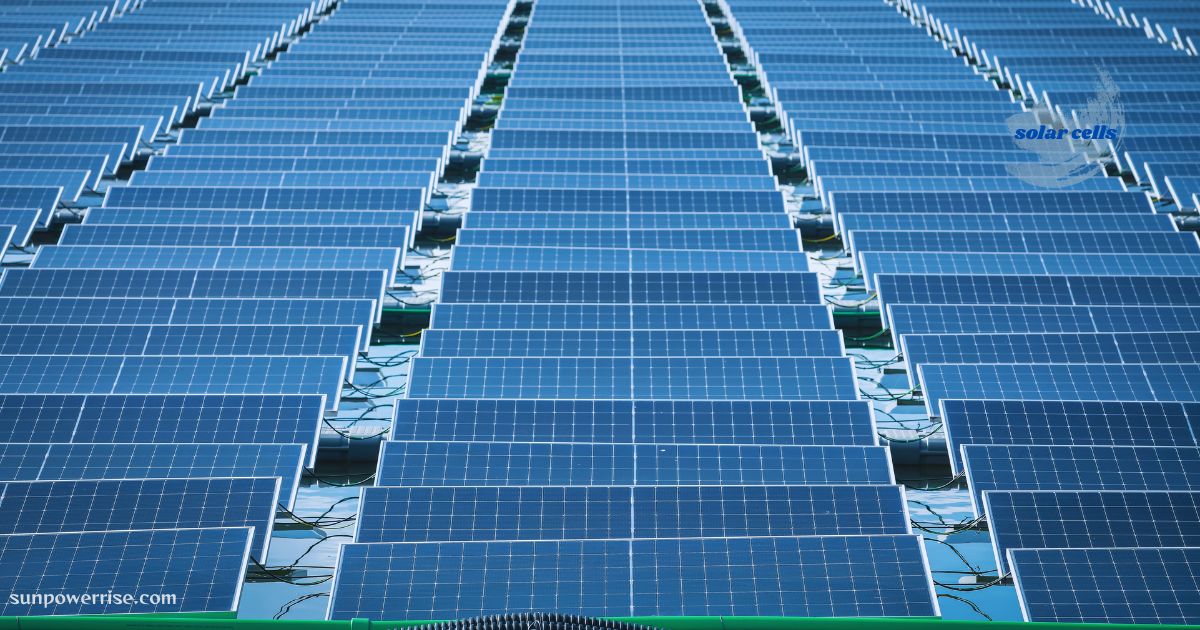
A solar cell is a small semiconductor device almost always made from silicon that converts sunlight directly into electricity through something called the photovoltaic effect.
That’s the whole answer in one line. Everything else on this page is about what that actually means, how it happens inside a piece of silicon the size of your palm, and why it matters for anyone in the UK weighing up whether to put panels on their roof.
What Are Solar Cells?
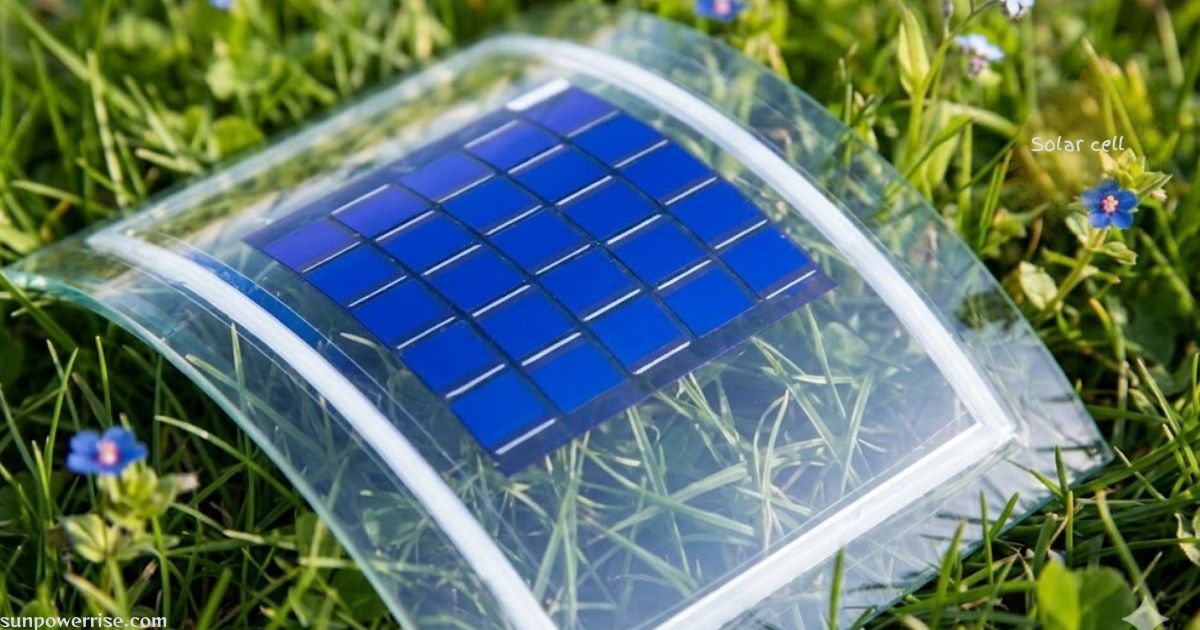
A solar cell, also called a photovoltaic cell or PV cell, is a small but mighty device that grabs photons travelling from the sun and turns them into usable electricity for powering everything from kitchen appliances to entire factories.
The secret lies inside the semiconductor material, typically silicon, which holds electrons in a tight grip until incoming light delivers enough energy to break them free.
It’s worth clearing up a mix-up I hear constantly from homeowners: a solar cell and a solar panel are not the same thing. The cell is the individual unit that actually produces electricity.
A panel is what you get once dozens of those cells usually somewhere between 60 and 144 of them, depending on the wattage are wired together and sealed behind glass and a frame so they can survive twenty-plus years on a British roof.
What’s Actually Inside a Solar Cell
Crack one open (don’t try this at home) and you’d find a surprisingly precise stack of layers, each doing a specific job:
The two silicon layers: one treated so it has a surplus of electrons, the other treated so it’s short of them. Sitting them together creates the junction that does all the real work.
A front metal grid: the thin lines you can see on the cell’s surface, there to collect freed electrons without blocking too much light.
An anti-reflective coating, usually a bluish film, that stops sunlight from simply bouncing off the surface before it can do anything useful.
A rear contact, typically an aluminium layer, that completes the circuit on the back of the cell.
A thin plastic-like sealant (EVA) sandwiching the cell, which protects it from moisture and bonds it to the glass on top and the backing sheet underneath.
None of these layers is decorative. Strip out the anti-reflective coating and you lose a meaningful chunk of output before the cell’s even had a chance to work. It’s this stack of unglamorous layers, more than any single “breakthrough,” that decides how much electricity you actually get off your roof.
From Sand to Rooftop: How Solar Cells Are Actually Made
I get asked a lot whether solar cells are some kind of exotic manufactured material. They’re not they start as ordinary quartz sand, and getting from sand to a working cell takes several distinct stages:
Mining and purifying quartz sand is dug up and gradually refined until it’s over 99.9999% pure silicon, a purity level that takes considerably more processing than the raw material itself costs.
Growing or casting the silicon for monocrystalline cells, a seed crystal is dipped into molten silicon and slowly pulled out, growing one continuous crystal. Polycrystalline cells skip that slower step and let the silicon cool and solidify in a mould instead, which is faster and cheaper but leaves visible crystal boundaries.
Slicing into wafers the resulting silicon block is sliced into wafers thinner than a human hair using wire saws.
Doping the wafers are exposed to gases at high temperature so one side becomes electron-rich and the other electron-poor, creating the junction that generates current.
How Efficiency Is Actually Measured (and Why Lab Numbers Aren’t Roof Numbers)
Every efficiency figure you see quoted as “22% efficient,” “25% efficient” comes from testing under what’s called Standard Test Conditions: exactly 1000 watts of sunlight per square metre, a cell temperature of 25°C, and light hitting the panel dead-on.
None of those three conditions exists reliably on a British roof. Real sunlight is weaker and more angled most of the year, cells run hotter than 25°C in direct sun (which actually reduces their output), and shading from chimneys or trees knocks performance down further.
This is why two panels with identical spec-sheet efficiency can perform differently on the same street orientation, pitch, and local shading matter as much as the cell technology itself.
Understanding Efficiency and Bandgap
The efficiency of any given PV device comes down to how well that bandgap matches the available light spectrum.
Engineers spend years fine-tuning this relationship to squeeze more electrical power out of every ray hitting the cell. Think of the bandgap as a bouncer on the door it only lets in photons carrying enough energy to knock an electron loose and get the current started. Let too little energy in and nothing happens; too much energy and the surplus is simply wasted as heat.
Solar Cells as Building Blocks of Larger Systems
Each solar cell sits inside a panel alongside dozens of its siblings, and together they form the building blocks of solar farms and rooftop systems.
The two layers inside every cell carry a positive charge and a negative charge respectively, and the moment sunlight hits them, atoms in the crystalline silicon release electrons that race toward the crystal lattice structure.
This elegant interaction between light and matter is why solar cells keep displacing fossil fuels and cutting carbon emissions across the globe.
What’s Coming Next
Worth keeping an eye on: perovskite-silicon tandem cells have already pushed past 30% efficiency in laboratory testing, well beyond what any commercial panel manages today.
They’re not yet sold as finished panels for UK homes, largely because the manufacturing supply chain for silicon is so well established that new technologies struggle to compete on cost and durability at scale but this is the technology most likely to move the efficiency ceiling in the next decade.
Matching the Right Panel to Your Needs
Matching monocrystalline, polycrystalline, or thin-film to your specific home or business situation requires weighing budget, available space, energy needs, and installation environment carefully.
The pros and cons of each manufacturer’s offering play out very differently depending on where and how the panels will eventually sit on your roof. Speaking with professionals who understand your property ensures you make the right long-term investment.
FAQs
What is a solar cell?
A solar cell is a small semiconductor device that converts sunlight directly into electricity through the photovoltaic effect, powering everything from a calculator to an entire home.
What’s the difference between solar panels and solar cells?
A solar cell is a single unit that generates electricity from photons, while a solar panel is a collection of multiple solar cells wired together to produce greater electrical power output.
What are the types of solar cells?
The main types are monocrystalline, polycrystalline, and thin-film solar cells, each varying in efficiency, cost, and the semiconductor material used in their construction.
How do solar cells work in GCSE?
Solar cells work by absorbing photons from sunlight into a semiconductor material like silicon, knocking electrons loose and creating an electric current through the photovoltaic effect.
How long do solar cells last?
Quality solar cells last 25 years or more, still delivering over 80% of their original electrical power output even after decades of continuous exposure to sunlight, weather, and UV radiation.