

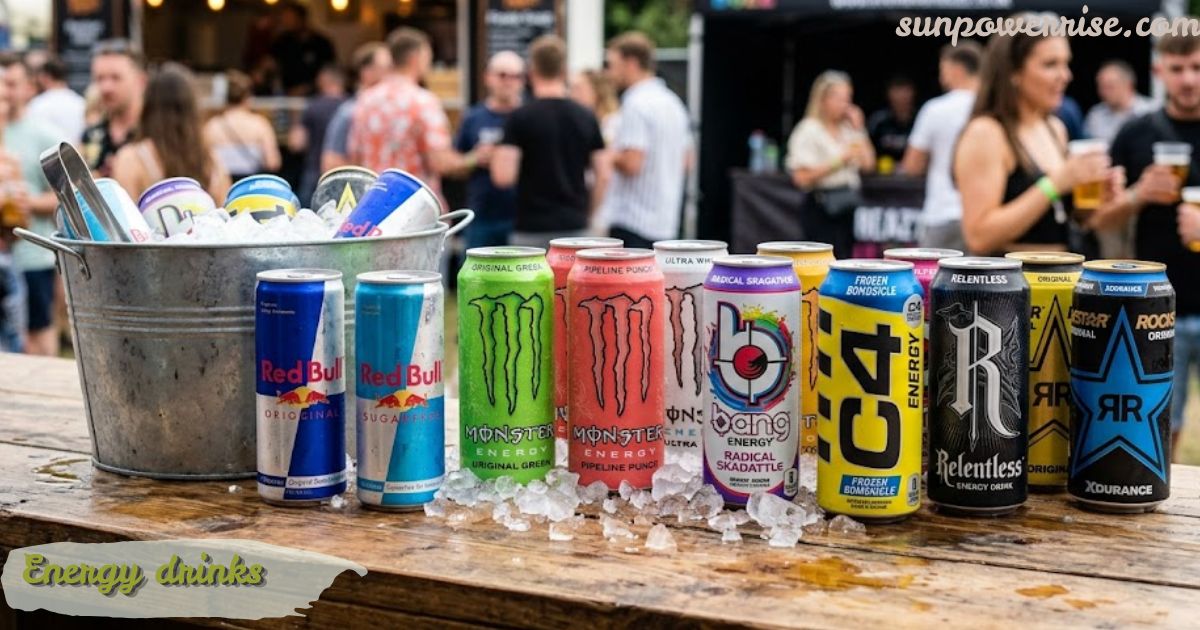
Let’s discuss energy drinks, as many people have strong opinions about them. In theory, these drinks are supposed to give you real energy, mental clarity, and better performance during physical activities. I remember reading the labels that promised quick energy, but I still felt mentally sluggish by the middle of the day.
To understand what an energy drink is, you should look at its key ingredients: caffeine and sugar. Beverages like soda, coffee, and others labelled as energy drinks are common examples, and many of them clearly state warnings about high sugar or high caffeine content.
The big issue with these drinks is that their short-term benefits don’t last long, and the ingredients can have unexpected effects on the body. When consumed without a plan, you get a quick energy boost at the expense of long-term endurance, and this is rarely healthy. Rather than feeling energised, many people find that their energy levels drop instead of improving.
Caffeine and Sugar in Energy Drinks
Caffeine and Artificial Alertness
Caffeine and sugar are the main components in nearly every energy drink. Caffeine is a stimulant found naturally in coffee beans and cola nuts. Once consumed, it causes your adrenal glands to release adrenaline, which increases heart rate and heightens awareness for a short time.
However, this is just an artificial sense of alertness, not real energy, because caffeine also increases dopamine levels, a brain chemical linked to mood.
The Role of Sugar and Brain Impact
Sugar also plays a role: glucose is a simple sugar produced naturally by plants like sugar cane, and the body converts food into it to support basic bodily functions and daily activities. These ingredients not only affect the body but also the brain, influencing how alert or foggy you feel.
Content Breakdown
Looking at the numbers makes this clearer. An 8.4-ounce can of Red Bull contains about 80 milligrams of caffeine, while a 16-ounce Monster or Rockstar has 160 milligrams, and a 1.83-ounce shot of 5-Hour Energy contains 200 milligrams. Each drink also includes approximately 36 grams of sugar, showing how these energy drinks constantly affect your system.
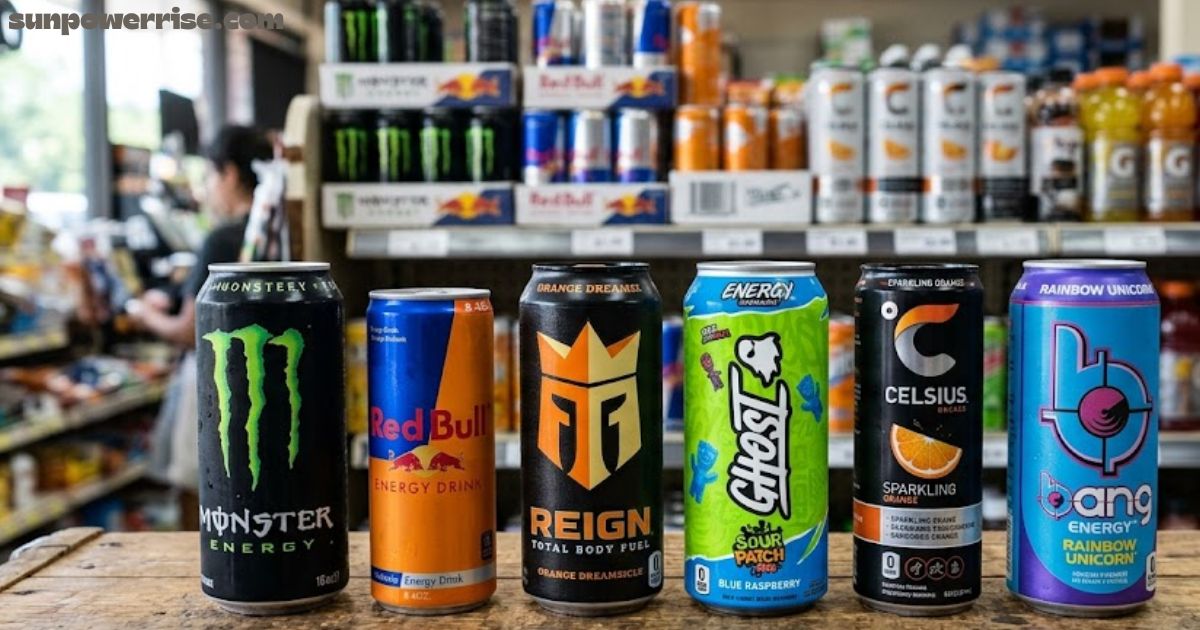
Risks of Energy Drinks
Immediate Physical and Mental Risks
The immediate risks of energy drinks can be quite serious. Too much caffeine can lead to feeling sick, actual sickness, stomach pain, and diarrhoea within an hour. Headaches and trouble focusing often follow, and for some individuals, anxiety can escalate into full panic attacks, a rapid heartbeat, or an irregular heartbeat that is frightening.
Post-Caffeine Mood Swings and Fatigue
Once the caffeine wears off, mood changes can occur. You might feel happy for a short time, then suddenly feel sad, and difficulty sleeping can keep you awake at night. Feeling tired and irritable, many people wake up the next morning feeling irritable and confused about why their mood is so unstable.
Long-Term Health Consequences
The long-term picture looks worse. Regular use brings tooth decay, an increase in weight, and a real chance of becoming dependent, especially with too much caffeine consumed daily. In rare cases, death has occurred, often tied to undetected heart conditions, and long-term use built on a cycle of large quantities rarely ends well. Even small doses or small amounts stretched over a prolonged period can catch up with you, since the short-lived benefits never balance the cost.
The Chemistry Behind the Crash
Chemistry is responsible for the crash. Your body doesn’t generate dopamine on its own; it only produces it artificially, and when that artificial peak falls, you experience a deprivation of dopamine worse than ever. The same goes for adrenaline, which coffee drinkers refer to as the afternoon slump, leading to chasing that high responsible for the jitters all through the day.
Sugar Processing and Fat Storage
Then there’s sugar. Most of it isn’t glucose, but fructose disguised as high fructose corn syrup, corn syrup, dextrose, or any of a number of variations.
This is how your blood sugar spikes and insulin comes rushing in, but it hardly helps your muscles, as fructose basically goes to your liver, where it turns into fat cells, raises cholesterol, and accumulates in the belly right after you consume 36 grams of sugar that’s the calories in a single can of soda.
Alternatives
Prioritizing Adequate Sleep
Let’s really get down to the most crucial detail: what can you do to cope with energy loss besides reaching for the next energy drink? You might simply sleep more. Whenever you can, make it a point of going to bed earlier, as your day will start fresh and motivated with proper sleep.
Nutrition and Exercise Boosts
Diet and exercise are extremely important. The body needs proper, nutritionally balanced meals that keep it energised with nutrients, and light exercise, such as running or walking, can serve as an energy booster, which works more effectively than any drink. A solid exercise routine plus proper diet makes one energised throughout their day.
Hydration and Cold Exposure
The importance of water intake is often overlooked. Dehydration is often another reason for feeling tired, so make it a point to drink two litres of water a day. If water does not help you to wake up, drink a glass of water or take a cold shower, as both measures can really energise you more than drinks.
2018 Energy Drinks Ban
In 2018, many supermarkets in the UK decided to ban the sale of energy drinks to people under 16 years old. This measure is currently being turned into law.
Do You Know?
It is interesting to know that any energy drink containing a high level of caffeine is supposed to be clearly marked as such with a statement mentioning that it is unsuitable for young people.
Electrolytes: What Your Body Actually Requires
Before you purchase your next sports drink or energy beverage, take a moment to read the label. One of the most popular drinks has 270 milligrams of sodium and 75 milligrams of potassium, while you actually need about 4,700 milligrams of potassium a day, much more than what a bottle contains!
Real energy in your cells is dependent on electrolytes, which are all charged minerals that allow electricity to flow through muscles and nerves.
Potassium is the battery that allows you to charge your cells, keep your heart rate steady, and make your muscles move as you want them to. The nerves use this charge to transmit signals throughout the body.
Magnesium matters just as much, because it feeds the mitochondria, the tiny energy factory inside every cell where real power gets made. Without enough of this mineral, your nutrients can’t do their job, no matter how many electrolyte drink options you try. If you want a genuine electrolyte drink, look for one with zero sugar and zero caffeine, packed instead with the minerals your body actually needs.
FAQs
What energy drink is healthiest?
Yerba mate or green tea-based drinks with natural caffeine and no added sugar are the healthiest choice.
What are the five best drinks that energize people?
Red Bull, Celsius, Bang, Monster, and Reign are widely rated the top energy drinks for taste and energy boost.
What are the top 10 energy drinks in the UK?
Red Bull, Monster, Relentless, Boost, Rockstar, Lucozade, Emerge, Tenzing, Prime, and Reign rank as the UK’s most popular picks.
What’s the unhealthiest energy drink?
Drinks with extreme caffeine levels, high sugar, and artificial additives like some Bang or Redline variants are considered the most harmful.
What are the best and worst energy drinks for me?
The best ones are low-sugar, naturally caffeinated, while the worst are high-sugar, heavily stimulant-loaded.