

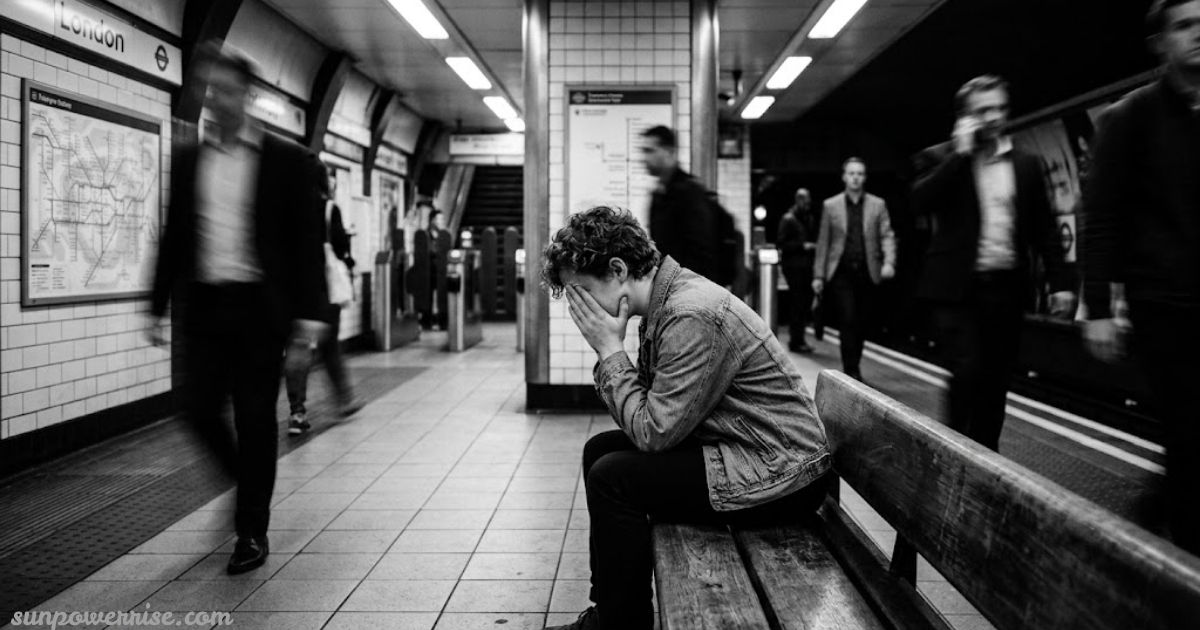
Anxiety is your body’s alarm system switching on when it senses a threat, real or imagined racing thoughts, physical tension, and an urge to fight, run, or freeze. Everyone feels it sometimes; it’s a problem only when it stops switching off. I remember my own hands going cold before a job interview, which I now understand as Anzieti my body’s natural defence mechanism responding to fear and worry.
Some picture anxiety as a reaction to a real danger right in front of them; others feel it rise from an imaginary danger that only exists in the mind; both bring the same dread.
What Is Anzieti, Really?
Anxiety is an emotion built from tension and worried thoughts, paired with real physical distress. It’s a normal reaction to certain situations, and most of us carry anxious thoughts at some point before slipping back into routine. Trouble starts when an anxiety disorder takes over, turning simple concern into constant worrying and overwhelming feelings that seem to arrive from nowhere.
There’s a rough line worth knowing. Everyday anxiety comes and goes with the situation that caused it. Ongoing stress hangs around longer, tied to something bigger like work, relationships, or money. GAD is different again: the worry isn’t tied to one thing, it’s there most days about several things, and you’d struggle to remember your last relaxed moment. If that sounds like you, it’s worth a GP conversation rather than pushing through alone.
I break anxiety into three parts: thoughts, feelings, and actions. Thoughts spiral into irrational negative loops; feelings show up as shaking or other body sensations; actions show as fight, flight, or freeze the body’s way of relieving anxiety until the danger passes.
Symptoms of Anxiety
Physically, anxiety can bring a rapid or irregular heartbeat, shortness of breath, and rapid breathing that makes it feel like you can’t catch your breath, plus sweating, headaches, abdominal pain, and sometimes diarrhoea or constipation. Muscle tension, trembling, dizziness, and fatigue are common too, alongside chills, sleep difficulty, appetite loss, twitching, tremors, and insomnia.
Mentally, persistent worry that never switches off can escalate into full panic attacks, alongside restlessness, impatience, irritability, anger, and trouble concentrating.
Behaviourally, it often shows as avoidance, pulling away from people or situations, seeking control, needing reassurance, sleep problems, and excessive arousal plus withdrawal, appetite changes, emotional outbursts, self-blame, and excessive thinking. Some describe butterflies in the stomach or a racing heart, as fight-or-flight or freeze kicks in once you leave your own window of tolerance.
If a panic attack hits, the intensity chest tightness, gasping, a pounding heart can feel like something is seriously wrong. It usually isn’t: most peak and pass within 5 to 20 minutes, and while frightening, they aren’t dangerous on their own.
Five Stages of Anxiety
Minimal anxiety barely touches your day; mild brings light muscle tension or a manageable stomach ache. Moderate disturbs sleep and appetite, with frequent headaches and an on-edge feeling.
Severe feels like constant chest tightness, digestive trouble, breathlessness, difficulty eating even favourite meals, often with avoidance of friends and family, and links closely with depression.
Debilitating anxiety, at the far end, brings near-constant panic attacks that can leave someone incapacitated, unable to face everyday tasks without retreating to safety. Across every stage: sweating, twitching, tremors, fatigue, insomnia, and dread.
If anxiety ever tips into thoughts of harming yourself, don’t sit with it alone call 999 in an emergency, or reach Samaritans free, any time, on 116 123. You don’t need to be at crisis point to reach out.
Why Does Anxiety Occur?
Researchers can’t point to one exact cause; it’s usually a mix of genetics, family history, brain chemistry, and life experience: environmental and social factors, childhood trauma, intrafamily stress, past abuse, and ongoing adult stress. Social isolation, difficult relationships, work stress, and personality traits shape how strongly someone reacts.
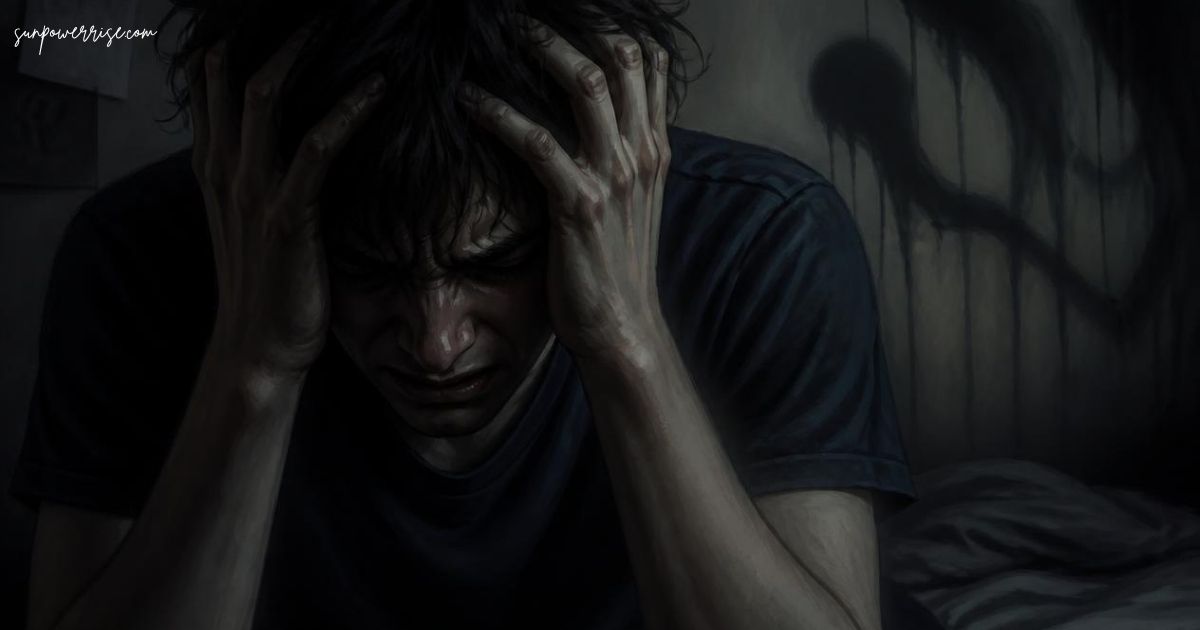
Medical conditions, substance use, and certain medications can trigger or worsen it too; thyroid problems and heart irregularities can mimic anxiety almost exactly, one reason to let a GP rule things out rather than self-diagnose. Everyday difficulties at school, work, or home pile up into stress as well.
Types of Anxiety Disorders
GAD brings steady worry about health, future, work, or family, without one clear reason. Social Anxiety Disorder centres on fear of social interaction, speaking in groups, talking to strangers, being observed, tied to fear of embarrassment, especially around school or work.
Panic Disorder brings sudden panic attacks plus anticipation anxiety about the next one, driving strong avoidance; attacks usually involve breathlessness, palpitations, and trembling.
Health Anxiety is persistent worry about health that doesn’t ease with reassurance, repeated symptom-checking or avoiding health information entirely. OCD involves unwanted intrusive thoughts paired with repetitive rituals done to relieve the anxiety they cause, like repeatedly checking locks.
Specific Phobias are intense, disproportionate fear tied to one thing flying, heights, spiders, injections that can shape everyday decisions. PTSD can develop after a traumatic event, bringing flashbacks or nightmares when reminded of it, sometimes years later.
What To Do Right Now
If a lot of this sounds familiar, the UK next step is more accessible than people realise: self-refer to NHS Talking Therapies for anxiety and low mood without seeing a GP first, or ask a GP to refer you they can also rule out physical causes and discuss medication.
A few things that genuinely help alongside treatment: slow breathing (a longer exhale than inhale in for 4, hold 4, out for 6 signals the danger has passed); grounding, naming 5 things you see, 4 you touch, 3 you hear; cutting caffeine and alcohol, both of which can worsen physical symptoms; protecting sleep and movement, since even a short daily walk lowers baseline anxiety for many; and writing worries down. None of this replaces treatment for a diagnosed disorder, but it’s worth having ready either way.
How Is Anxiety Disorder Treated?
Anxiety is treatable, starting with an accurate read of symptom severity and individual needs. Therapy, psychotherapy, medication, lifestyle changes, and support groups can be used alone or together to reduce or fully resolve symptoms. Cognitive Behavioural Therapy (CBT) is the most commonly offered UK talking therapy, focused on identifying and changing the thought patterns feeding the anxiety. Medication, where used, is generally alongside therapy, decided with a GP or psychiatrist.
Anxiety at Work and On the Road
Anxiety doesn’t stay confined to personal life. If it affects your ability to work, it may count as a disability under the Equality Act, meaning your employer must consider reasonable adjustments. If you drive, certain anxiety disorders may need declaring to the DVLA where symptoms affect safe driving check directly with them if unsure.
Anxiety in Children and Young People
Children and teenagers get anzieti too, often showing differently than in adults: school refusal, unexplained stomach aches, clinginess, or sudden behaviour changes. Persistent worry or withdrawal in a child is worth raising with a GP or school rather than assuming it will pass.
Anxiety Tests
Several tests help measure where you stand, though none replace a real diagnosis: the Hamilton Anxiety Rating Scale (HAM-A) looks at moods, fears, and tension; the Beck Anxiety Inventory (BAI) rates severity; the Social Phobia Inventory (SPIN) focuses on social situations; and the Penn State Worry Questionnaire distinguishes GAD from social anxiety.
FAQs
What are 7 types of anxiety?
The main types include Generalised Anxiety Disorder, Social Anxiety Disorder, Panic Disorder, Specific Phobia, Agoraphobia, separation anxiety, and illness anxiety.
What does “anxious” mean?
Feeling anxious means carrying a strong sense of worry or nervousness, usually paired with physical symptoms like a racing heart and real difficulty concentrating.
What are 5 signs of anxiety?
Common signs include rapid heartbeat, muscle tension, restlessness, difficulty sleeping, and persistent anxious thoughts that won’t quiet down.
What is the most serious type of anxiety?
Panic Disorder and debilitating anzieti are often seen as the most serious, since they bring sudden panic attacks and can leave someone feeling incapacitated.
What are the best jobs for people with anxiety?
Roles with predictable routines and low social interaction like writing, data work, gardening, or lab research, tend to ease daily functionality for people managing anxiety disorders.