

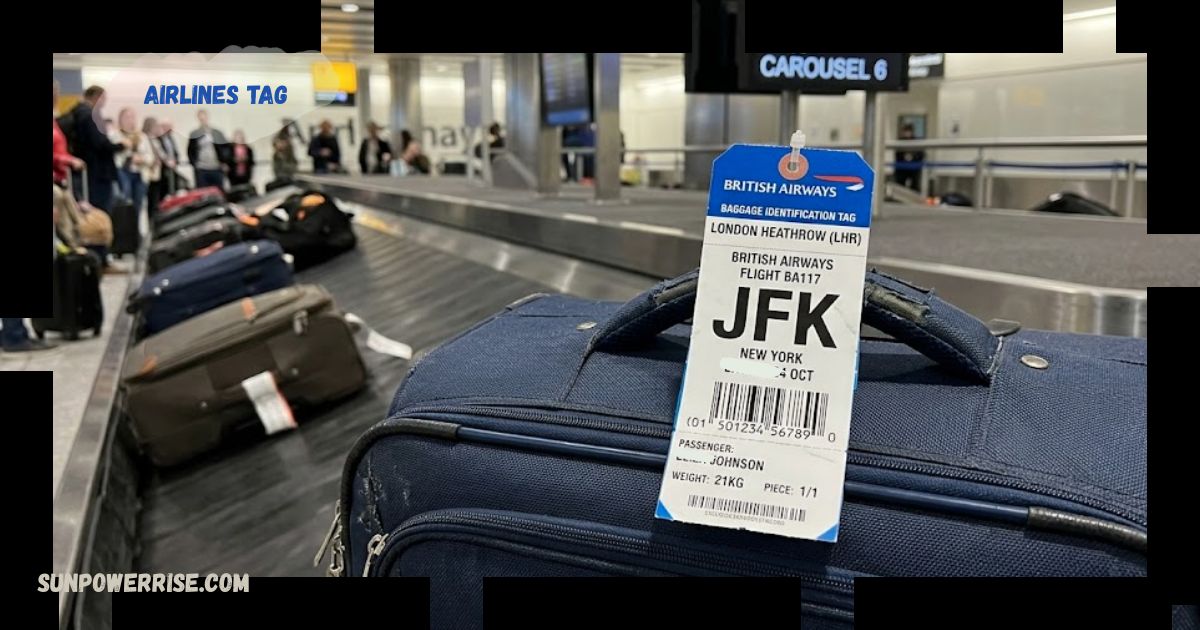
Every item of travel equipment has a story, and few pieces work as hard as the airline tag on your suitcase, and no example makes that clearer than the modern airlines tag.
Anyone who has watched their checked luggage move around the baggage carousel knows the comfort of spotting a familiar tag among many similar ones, and that comfort begins with what a traveller writes on the tag before the journey starts.
Airlines Tag
A typical baggage tag is not just a label; it contains various pieces of information that document your entire trip from the moment you leave until you arrive. Whether you use durable luggage tags, standard airline tags, or the new electronic tag, the main objective is always the same: get your bag home without it going missing or being delayed at the carousel.
Alaska Airlines Electronic Bag Tag
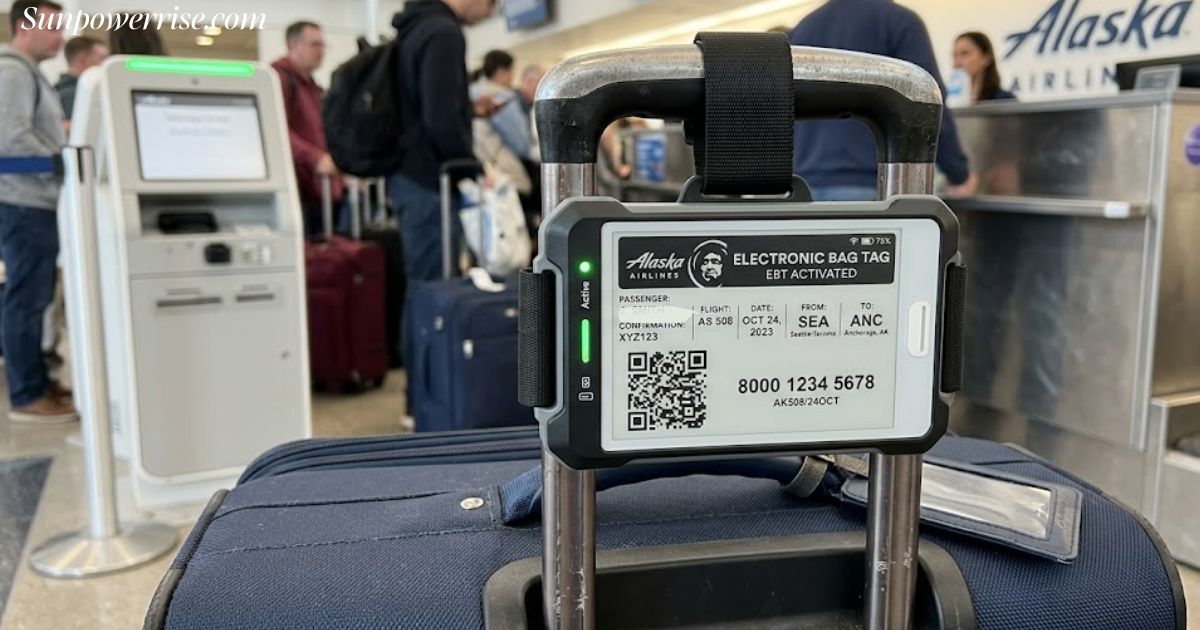
Alaska Airlines is the first U.S. airline to introduce a public electronic baggage tag, a development that resulted from 18 months of input from employees and frequent flyers. This Alaska-branded device links flights operated by Alaska, as well as those by Horizon and SkyWest, across the U.S. and Canada, with international routes expected to join the system soon.
Pre-Trip App Setup & Activation
Setting up the device begins before you reach the airport. Open the Alaska Airlines mobile app and check if your eligible trip allows you to activate the electronic baggage tag service. Follow the on-screen instructions step by step until the app confirms you are ready.
Travellers who enable this feature before their trip can skip the check-in counter and complete check-in on their own schedule. To load your flight information, place your phone flat on the tag and wait for a steady connection; a blue light indicates success, maintaining a stable link and confirming your baggage details are saved correctly.
NFC Alignment & Tag Attachment
Since the NFC antennas are located differently depending on the phone manufacturer, you may need to remove your phone case to find the right spot. Slide your phone slowly until the light stays steady.
Once the phone screen shows the update, attach the device to your bag using the durable strap, making sure it is securely wrapped around the handle and stays in place with the buckle and strap.
Processing & Airline Compatibility
A properly centred device on the luggage ensures it is scanned and processed correctly by Alaska Airlines staff at the baggage drop area, allowing you to skip printing traditional paper tags.
This setup also works with certain oneworld partners, so the same tag can be used when travelling with partner airlines, not just Alaska flights, proving that a modern airlines tag isn’t limited to a single carrier.
Maintenance & Post-Trip Reset
Before finishing, review your settings in the app settings, as a clean setup now means less time at the airport later, and a clean device is easy to wipe for the next trip. When your trip ends, visit AlaskaBagTag.com, choose to reset the electronic baggage tag, and follow the on-screen steps to clear old data for your next journey.
Reconciliation Stub
Look closely at the small paper stub attached to the baggage tag; you’ll find a compact backup known as the reconciliation stub. It includes your passenger name and a barcode that matches the larger barcodes on the main tag, covering your entire travel journey from start to finish.
If the main tag ever becomes detached, this stub serves as a backup, allowing handlers to trace your bag back to you even if the main airlines tag is missing.
Flight Numbers and Cities
The printed flight numbers and city codes on the airlines tag tell the story of your journey, listed from bottom to top. This arrangement allows you to quickly identify your next destination at a glance.
A bag that travels via Charlotte (CLT) and Heathrow (LHR) before arriving in Geneva (GVA) displays all three cities in that specific order, with the top city indicating the final destination. When a journey includes more than three cities, airlines use a second tag called a conjunction tag to manage all the transfers along the way.
Additional Information
The top of the tag usually shows the airline’s branding along with your PNR, which stands for Passenger Name Record, and your full passenger name. When you flip the tag over, you’ll find the information area, a small section containing additional travel details. This area often includes your departure station and check-in time, which are important if your bag ever gets separated from its airlines tag.
Airline and Baggage Number
Each tag also includes a short airline code, such as AA for American Airlines, printed near the barcode. Next to this code is a unique baggage number, a string of digits assigned specifically to your bag for that trip. In our example, this number is 493604, which is used to access a variety of tracking information behind the scenes.
Barcodes
The black lines on the tag are not random; they contain the baggage number, the baggage tag issuer code (BTIC), and the type of baggage tag, all in one. Some travellers may think this data includes personal information, but in reality, it functions more like an index into a much larger digital baggage tracking system.
A code like 001 could indicate an interline or online tag, while a tag type of zero tells handlers which flights loaded the bag onto next. Using the Bag ID, which in our example is 493604, staff can retrieve information to identify the bag and confirm which PNR it belongs to.
At its core, it is simply a number, and the deeper mechanics of how an airlines tag supports tracking are worth exploring in more detail later.
Going Further with RFID Technology
More airlines now integrate RFID technology into the bag tag, with a small chip embedded and hidden within the material. Since scanners do not need a direct line of sight to read the signal, this setup improves the accuracy of tracking and speeds up airport operations in busy terminals.
The result is real-time tracking that reduces the chances of lost luggage and provides more confidence for both passengers and staff within a system based on a single small airlines tag.
What to Write on a Luggage Label
A good luggage label starts with the basics: your full name, a working phone number, and an email address that you actually check while travelling. Many people set up a secondary email specifically for trips, keeping sensitive personal information away from their main inbox.
They also write their home address or return address on the back of the luggage tag insert so it remains hidden. Some travelers also include the flight number and hotel information to help airlines contact them quickly at the destination, though these can be revealing details that should be handled carefully.
For added security, a unique codeword or PIN allows you to confirm bag ownership if someone else claims it. Whether you use a printed label with small font or legible handwriting, the goal is always the same: a misplaced bag should never become a lost one, so make every airlines tag count.
Attaching Luggage Tags Can Help Avoid Losing Your Bag
Properly securing the luggage tag is more important than people realise, as a tag that is not attached securely can come loose at the worst time. Always attach the luggage tag to the outside of the bag, never to a loose part that may break off during transit.
Attachment Methods & Protection
Consider clear plastic covers to protect the label from rain and scratches. For a tie-in or external luggage tag, slide the tag material through the slot, loop it under the bag handle, and pull it tight until it holds.
A leather belted luggage tag, like the Travelpro Essentials Leather Luggage Tag, works differently: open the buckle, slide it onto the luggage handle, and close the buckle firmly around the strap.
Internal Backup Identification
Keep a second label or backup tag inside your bag, placed directly on top of your belongings. This ensures that if the outer tag gets damaged or removed during your trip, you still have a way to identify your luggage.
Tracking Hardware
You can use a luggage loop, a strong zip tie, or even an Apple AirTag combined with a traditional strap to help preserve the label and keep your bag trackable from the moment you check it in until you arrive at your destination.
Find Durable Luggage Tags
High-Visibility Design
When choosing a luggage tag, consider its appearance and the materials used in its construction, as both factors influence how easily your bag can be recognised on a busy luggage carousel. A bright red tag or any eye-catching design makes it simpler to locate your luggage quickly, saving time at every stage of your journey.
Durable Material Selection
Luggage tags made from durable materials like leather, plastic, or metal are generally more resilient and dependable than the thin tags typically provided by airlines at the counter. Leather tags, especially those with a flap that covers the label, tend to endure the journey better than less expensive alternatives.
Personalization and Practicality
Personalisation also enhances the value of your luggage tag: the Travelpro Essentials Personalisation Kit includes a leather tag, a leather luggage carry handle wrap, and a travel accessories pouch, creating a coordinated set of travel essentials.
ccAlthough there are no official TSA regulations for luggage tags, using a sturdy airlines tag with a Travelpro checked bag can still help your luggage stand out and arrive safely.
FAQs
What is an airline tag?
An airline tag, also called a luggage tag or baggage tag, is the label attached to your bag showing your flight numbers, passenger name, and destination so handlers can route it correctly.
Which airlines allow AirTags?
Nearly all major carriers, including Alaska Airlines, allow an Apple AirTag alongside your regular airlines tag.
How to put an airline tag on luggage?
Loop the tag through a luggage loop or zip tie, slide it under the bag handle, and pull tight, or use a leather belted luggage tag and simply close buckle around the handle.
What should you not put on a luggage tag?
Avoid writing sensitive personal information like your full home address in plain view; keep revealing details such as hotel information or your itinerary hidden or minimal.
Why shouldn’t you tie ribbon on luggage?
Ribbon isn’t durable, can break free or get caught in conveyor machinery, and won’t help with easy identification the way a proper luggage tag does.