

Plug in solar panels are changing the way people in the UK think about clean energy, and honestly, it is about time. Whether you live in a flat, rent a place with a balcony, or simply want a low-cost way to cut your energy bills, these small solar kits open a door that was previously shut for millions of households.
Unlike traditional rooftop solar panels, you do not need to own your home or hire an electrician to get started. You just place the panels, connect the plug-in solar inverter to a standard 3-pin socket, and start generating your own renewable electricity instantly.
The government has already approved changes to wiring regulations, meaning systems under 800W can safely plug into domestic sockets without professional help, expected to go live in summer 2026.
The arrival of plug-and-play solar in the UK gives renters, people in small homes, and those with small gardens a real shot at generating their own power, reducing reliance on fossil fuels, and taking back control of their household energy bills.
What Are Plug In Solar Panels ?
Plug in solar panels, also widely known as plug-and-play solar or balcony solar, are small solar systems built for real people living real lives.
They work as a flexible alternative to rooftop solar panels, especially for renters and people in flats who cannot make permanent changes to a property.
Simple Setup and Mounting Options
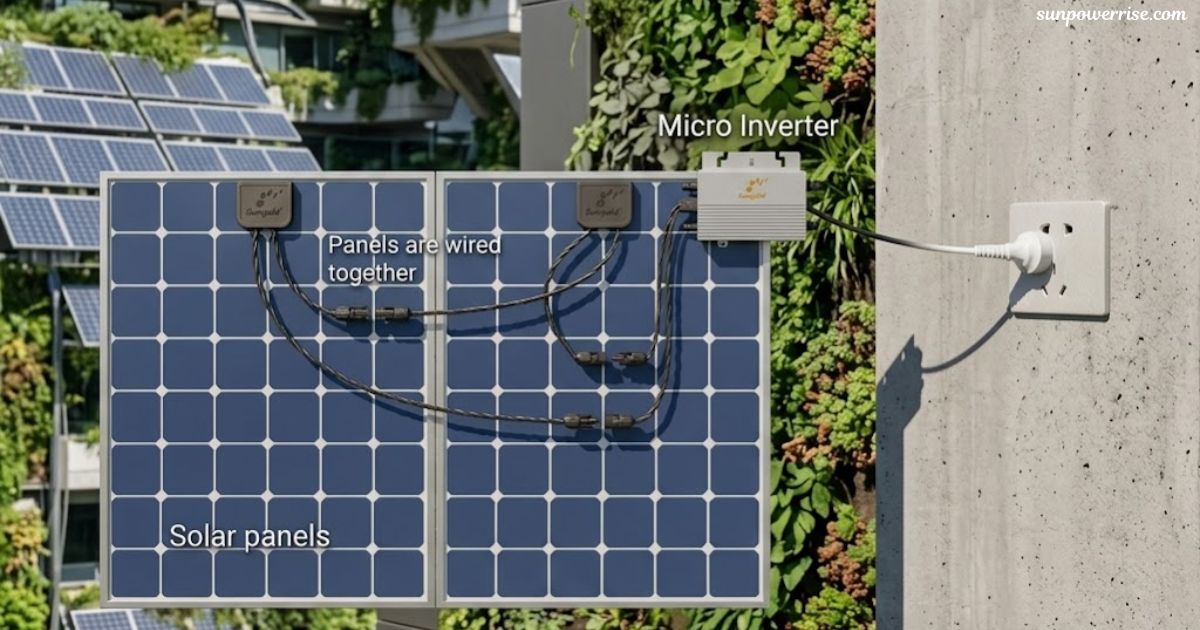
The moment I first saw one set up on a terrace, connected to a 3-pin socket with zero fuss, it clicked. This technology genuinely removes the biggest barrier to going solar. These compact solar systems are designed for individual homes and typically include one or two panels paired with an approved micro-inverter that plugs directly into a mains socket.
You can mount them on a balcony railing, a shed roof, or any garden structure with good sun exposure and safe access. The wiring regulations update expected this summer will make it fully legal to use them across the UK without needing a specialist installation.
How the Technology Generates Power
Once connected, sunlight hits the panel, producing DC electricity, which the micro-inverter converts into AC electricity suitable for home use, and that power flows straight into your electrical system, reducing how much you pull from the grid.
Systems typically output between 200 and 800W, and while that is smaller than a full rooftop system, the process is identical to any other solar setup.
The Future of DIY Clean Energy
Because no professional installation or electrician is required after the regulation change, these panels are easy-to-use, low-impact, and genuinely popular among people who want to generate clean electricity without the hassle.
The government has already announced plans, though currently connecting one to household circuits without an electrician is not yet permitted, but that window is closing fast.
How Do Plug In Solar Panels Work?
At the heart of every plug-in solar panel setup is a beautifully simple process that mirrors any standard rooftop solar or solar setup you might already know. Sunlight strikes the solar panel, triggering the generation of DC electricity, which then passes through a micro-inverter that converts it into AC electricity ready for home use.
That converted power then flows directly into your electrical system, instantly working to reduce how much electricity you draw from the grid.
Because these units sit in the 200-800W range, they are naturally smaller than full rooftop systems and generate less overall, but what they lack in scale, they more than make up for in simplicity and accessibility.
Are Plug In Solar Panels Different From Traditional Solar Panels?
Plug-in solar panels and traditional solar panels work on the same principle, both capture sunlight and help you become less reliant on grid electricity, but the differences in practice are significant.
Rooftop panels demand professional installation by a qualified electrician, are permanent fixtures, and are simply not an option if you are renting or thinking about moving home soon.
Plug in solar panels, on the other hand, are smaller, produce less power, and require no specialist installation, making them ideal for a DIY approach without any technical background.
Perhaps their biggest practical advantage is that they are completely portable; you can take them with you when you move, making them a genuinely flexible and suitable option.
They will not replace a full system in terms of raw energy output, but they allow almost anyone to start generating their own power without the need for permanent changes to a property.
What Is a Balcony Solar System?
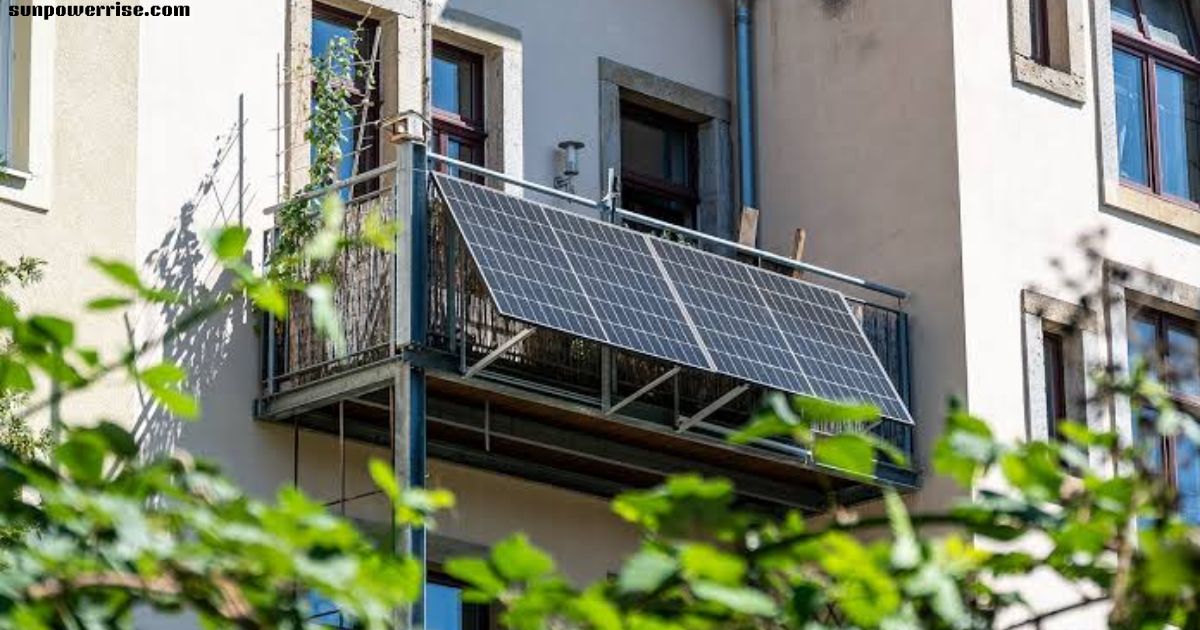
A balcony solar system is essentially what most people picture when they hear plug in solar panels, a compact setup specifically designed for flats and apartments where there is no roof access.
These systems are mounted on balcony railings or exterior walls, making smart use of vertical space that would otherwise go to waste.
For anyone living in a city flat who still wants to generate their own renewable electricity and reduce how much they depend on grid electricity and become less reliant on the wider energy network, a balcony solar setup is one of the most practical options currently available.
Where Are Plug In Solar Panels Used?
The real strength of plug in solar panels lies in their flexibility; they fit into spaces and situations where a full rooftop installation simply is not possible.
Common setups include balcony solar panels across UK flats and apartments, wall-mounted panels on sunny south-facing walls, terrace systems in compact gardens, and even fully portable setups for temporary use.
They are a popular choice among renters, though if you are renting, always check with your landlord before fixing panels to a balcony, exterior wall, or any part of the property, as well as flat owners and anyone whose home simply lacks suitable roof space.
Why Introduce Plug in Solar Panels in the UK?
The case for bringing plug in solar panels to the UK is rooted in both urgency and opportunity. Over 426,000 balcony solar system units were registered in Germany in 2025 alone, showing just how rapidly Europe has embraced this technology, and the UK Government is now determined to catch up.
These systems offer a low-cost, flexible path toward renewable electricity that directly addresses volatile energy costs, our heavy reliance on fossil fuels, energy market fluctuations, and the broader need for homegrown energy that strengthens energy security while accelerating the shift to clean power and reducing household energy bills for millions of people currently locked out of traditional solar.
Plug-In Solar vs DIY Solar Kits
It is worth understanding that plug-in solar and DIY solar kits are not the same thing, even though both sound like self-install solutions. Many DIY solar kits and off-grid systems are not grid-connected at all.
They are commonly used for sheds, vans, or as backup power sources, and they require considerably more setup and technical knowledge than a simple plug-in unit. If you are seriously considering installing panels yourself, our dedicated DIY Solar Panels guide covers the key differences between these solar systems and helps you understand which path genuinely fits your situation.
Is Plug-In Solar Worth It?
From personal experience helping friends evaluate their energy options, the honest answer is: yes, for the right person, plug in solar panels genuinely deliver.
They let you cut your energy bills without a massive long-term commitment, get plug-in power working for you without any time-consuming installation, and even start small before you decide to upgrade to something bigger.
They work brilliantly alongside existing smart home setups and other renewable tech, and during daytime hours, they meaningfully reduce how much electricity you need to buy from the grid. They will not power your entire home on their own, but they meaningfully reduce your dependence on grid-supplied clean energy, and that is a genuine, tangible win.
What Are the Advantages of Plug in solar panels?
The advantages of plug in solar panels go well beyond just saving money; they fundamentally change who gets to participate in the solar revolution.
Unlike rooftop systems, you do not need an electrician, professional help, or any specialist tools to get set up; most kits come with simple mounting brackets and require only basic tools to mount the panel on a balcony, wall, or small structure.
From there, you connect the cable to the micro-inverter, then plug it into an approved socket, either indoors or a weatherproof socket outside, and you are generating.
The low initial cost makes them far cheaper than committing to a traditional rooftop system, which is especially important for renters or anyone living somewhere that does not allow permanent modifications. And because of their smaller size, they are completely portable.
If you relocate, you simply take them with you, making them one of the most flexible and genuinely future-proof energy investments you can make today, with a meaningfully low-impact footprint from install to easy to move convenience.
How Much Energy Do Plug in solar panels Generate?
Setting realistic expectations before you invest is important, and the numbers for a typical plug-in solar system are clear: output sits in the 400-800W range, with an annual generation of around 200-500 kWh per year.
For a typical UK home, that covers roughly 10-20% of total electricity use when the system is well positioned to capture maximum sunlight.
In practice, that energy directly powers your always-on appliances, think fridges, Wi-Fi routers, and standby electronics, and can meaningfully reduce cost when you shift usage of other devices to sunny hours during the daytime, letting you generate and consume simultaneously without touching the power grid.
FAQs
What are plug in solar panels?
Plug in solar panels are small, portable solar systems that connect directly into a standard 3-pin socket to generate renewable electricity for your home without professional installation.
Are plug in solar panels legal in the UK?
Currently they require a qualified electrician under G98 microgeneration rules, but the UK government has announced regulatory changes allowing systems under 800W to plug directly into domestic sockets from summer 2026.
How much electricity can plug-in solar panels generate?
A typical plug-in solar system generates between 200–500 kWh annually, covering roughly 10–20% of a standard UK household’s electricity use depending on positioning and sunlight exposure.
Can renters use plug-in solar panels?
Yes, plug-in solar panels are particularly well-suited to renters since they require no permanent modifications, are fully portable, and can be taken to a new home when you move.
How do plug-in solar panels differ from rooftop solar panels?
Plug-in solar panels are smaller, portable, and require no professional installation, whereas rooftop systems generate 6–8 times more electricity and need a qualified electrician to install permanently.