

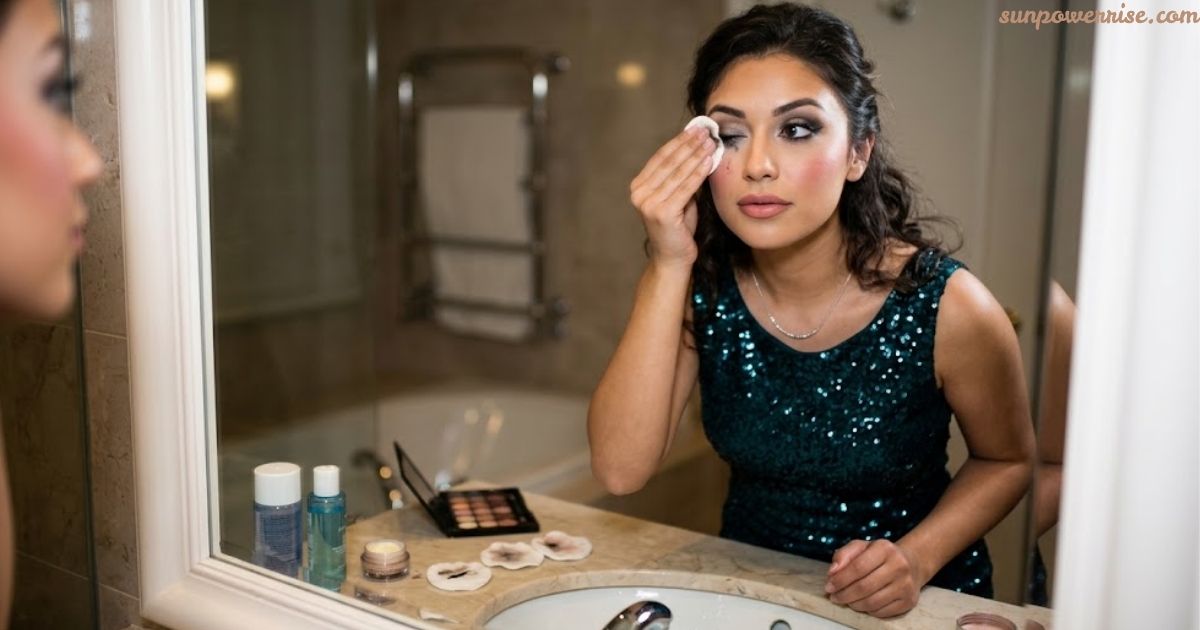
Learning how to remove makeup properly changed the way I look at my nightly skincare routine completely. I used to treat cleansing your face at night like a rushed afterthought, something to get through before bed.
Then I spent months testing products and talking to real skin experts, and I realised personal hygiene around makeup goes far deeper than a quick wipe. Beauty trends on TikTok turn this simple routine into a confusing mess, and everyone seems to argue over the right way and the wrong way to take your face off at night.
This guide pulls together honest advice from trusted dermatologists and beauty professionals I respect. Whether you wear light everyday makeup or go all in with a full face of full-coverage products and bold mascara, the goal never changes.
You want healthier skin, not skin that pays for long-term implications later. Get this step right, and your face can look fresh, calm, and give off that radiant skin glow every single morning.
How to Remove Makeup Properly (by Skin Type)
Preparation & Cleanser Choice
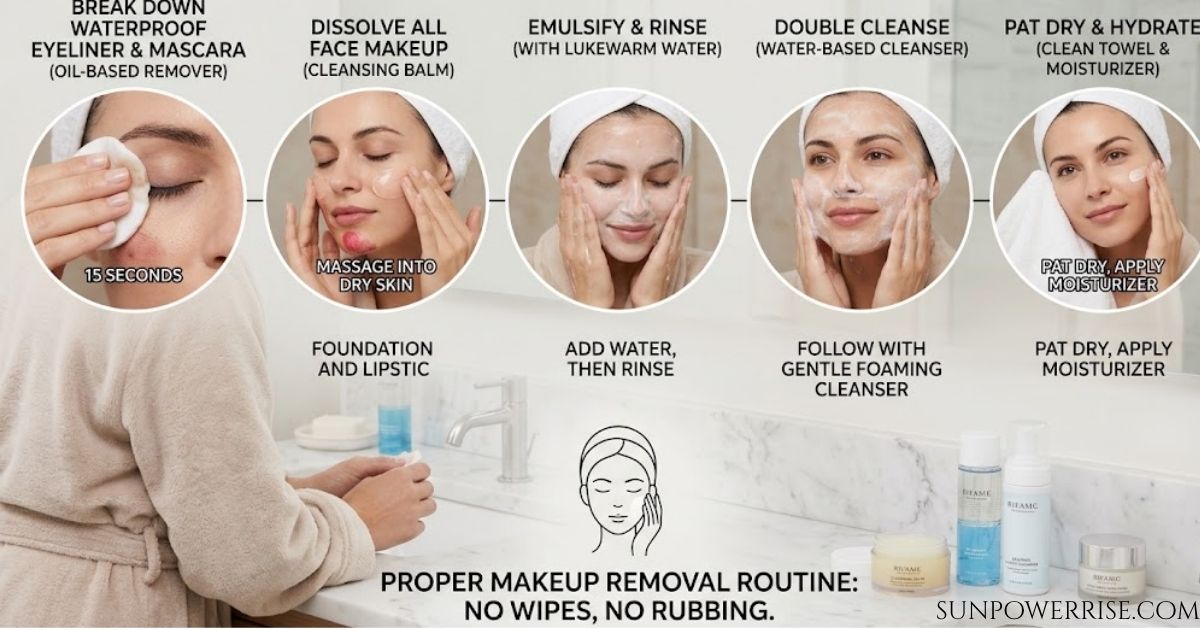
This next part covers exactly how to remove makeup properly, step by step, no matter your skin type. Before you touch your face, wash your hands first, since dirt and bacteria on your fingers can transfer straight onto your skin.
From there, pick an oil-based cleanser or a cleansing balm if you wear heavy makeup or a full face of makeup, and reach for micellar water instead if your skin runs on the sensitive or acne-prone side.
Micellar Water vs. Oil Cleansing
If you go with micellar water, soak a cotton pad or a reusable cloth, then sweep gently across your hairline, eyelids, and jawline with no need to rinse afterwards.
For oil cleansing, products from brands like Tatcha, such as Camellia One Cleansing Oil or Indigo Cleansing Balm, work well because they dissolve makeup, oils, and residue far better than cleansing waters or makeup wipes, which only act as short-term fixes that leave colour sitting deep in your pores.
Routines for Oily, Dry, and Sensitive Skin
Your skin type decides the rest of the routine. Oily skin and acne-prone skin respond well to double cleansing, starting with oil to lift foundation and SPF, then finishing with a gentle foaming cleanser so you balance oily skin by lifting impurities without over-stripping.
Dry skin and sensitive skin need hydration and softness instead, so choose fragrance-free, hydrating removers, avoid rubbing or dragging, and use soft sweeping motions with cream or a milk-based makeup remover plus soft cotton pads.
Care for Combination Skin & Barrier Protection
If your combination skin shifts between oily and dry zones, aim for a balanced routine that handles oiliness while still supporting pH balance. A balancing gel cleanser and gentle exfoliating pads once a week can keep everything even.
Just remember not to scrub or over-exfoliate; be extra soft near the eye area, where skin stays delicate, and take the time you need in the evening to protect barrier health and your skin barrier, since rushing wastes your reusable cotton pad, your water-based cleanser, and your long-lasting eye makeup remover.
Why Makeup Removal Matters
Once you understand how to remove makeup properly, you start to see why this small habit matters so much. Your skin does real work while you sleep, and leftover makeup gets in the way of that job. Skip cleansing overnight, and you block skin renewal, which slows down your skin’s natural renewal process and leaves your face looking tired.
Nightly routine habits matter more than people realise, and thoroughly removing makeup every evening protects your skin from small problems that grow bigger over time.
Left on the skin, makeup traps dirt and debris along with environmental pollutants that build up through the day. This mix causes congestion, and over weeks it can lead to clogged pores, acne, and stubborn blackheads that just will not clear up. You will also notice surface damage, dryness, and even premature ageing if you let this habit slide for too long.
A messy face also blocks absorption, so your nighttime skincare products cannot soak in the way they should. This is why I always tell friends that a gentle makeup removal routine paired with a solid skincare routine protects skin health far better than any expensive serum ever could.
Wipes, Types of Makeup Removers & How They Work
Grabbing a pack of makeup-removing wipes feels easy after a long day, but they rarely do the job well. Most wipes rely on acids or alcohol to force makeup off, and this rough action can leave skin feeling raw and reactive. On top of that, hidden fragrances and other ingredients can sensitise skin, especially if you already deal with breakouts or redness.
To understand why some formulas work better, it helps to know how they actually dissolve makeup. Good removers dissolve oils, pigments, and waxes, then lift away everything sitting on your skin.
Oil-based products work because they bind to those same ingredients and break down stubborn colour, while micellar water and other micellar waters use tiny cleansing molecules that attract and lift debris without much rubbing at all.
That gentle pull matters, because rough wiping can hurt your skin barrier and leave dry skin feeling tighter. Cleansing oils and balms tend to feel far more irritation-free than wipes, since they keep your natural balance intact and support healthy skin and a strong natural barrier instead of stripping it away.
Removing Eye, Lip & Waterproof Makeup
Knowing how to remove makeup properly around your eyes and lips takes a bit more patience than the rest of your face. Eyes and lips need their own small routine, since eye makeup and lip makeup often stick around after everything else comes off.
For a waterproof mascara or liner, soak a cotton pad with cleansing oil or micellar water, then hold it against closed lids for 15 to 20 seconds before you wipe. This same trick works nicely on long-wear lipstick and lip stains, or you can reach for a dedicated eye makeup remover built for long-wearing waterproof formulas.
Waterproof makeup in general calls for stronger tools, so a cleansing balm or bi-phase oil-based remover breaks down long-wearing products and long-wear pigments without excessive rubbing.
Waterproof mascaras and liquid liners respond well to pressing rather than scrubbing, so hold the pad there for a few seconds before wiping away colour to minimise irritation on delicate skin.
Steps stay simple: shake your bi-phase remover, soak a pad, then press gently for a few seconds before you swipe clean with minimal movement. Long-wear lipsticks need the same soft touch. Treat the skin around your eyes and lips with extra patience, since it bruises and irritates far faster than the rest of your face.
Common Mistakes to Avoid
Even people who think they already know how to remove makeup properly fall into a few common traps. Rubbing skin aggressively or tugging at your face causes irritation and can speed up premature wrinkles, especially around the eyes.
Harsh products loaded with alcohol or stripping cleansers cause dryness and sensitivity, and skipping spots leaves residual makeup sitting in your hairline, eyelids, and jawline, which quietly builds into clogged pores and acne.
Cutting corners on your double cleanse or leaving waterproof makeup half removed only makes things worse the next morning. Dirty tools cause just as much harm, since old washcloths and sponges feel abrasive against skin, and dirty hands, used cotton pads and towels.
Scrubbing near the eye area and treating wipes as your only tool keeps skin. Skipping cleansing after a no-rinse formula, along with dirty pads and brushes, undoes every bit of effort you put in earlier.
Nighttime Skincare Routine
Once makeup is gone, your skin still needs a bit of care before bed. I always follow up with rehydrating steps aimed at treating skin properly, starting with a hydrating essence or toner to lock in moisture. This small habit sets the stage for any active ingredients you plan to layer on next, and it keeps your full skincare routine working the way it should.
Nourishment matters just as much as removal. A proper nighttime routine supports hydration and gives your skin real skin repair time while you sleep overnight. Start with your makeup remover or cleansing balm, follow with a gentle cleanser, then add serum or treatment based on what your skin needs that week.
Conclusion
At the end of the day, how to remove makeup properly comes down to a few simple, consistent habits. Rushing through makeup removal, or skipping it, sets you up for real skin issues.
A haphazard attempt does nothing but cause clogging pores and blocking products, and it stops anything good from penetrating skin the way it should. I have stumbled home at 1:48 a.m. plenty of times, far too tired for a ten-step skincare routine, and I still made time for the basics.
Keep micellar water, a gentle simple cleanser, and a thick moisturizer sitting out on your bathroom counter, along with your cotton pads, so the cleanser and moisturizer stay within easy reach even on your laziest nights. This is not just hygiene, it becomes a moment of care and restoration for your face.
FAQs
What is the best way to remove makeup?
The best way combines an oil-based cleanser or cleansing balm with a gentle double cleanse, followed by a water-based cleanser to fully protect your skin barrier.
What do dermatologists recommend to remove makeup?
Dermatologists recommend micellar water or an oil-based cleanser over wipes, since wipes can irritate skin and leave residue behind in your pores.
What is the 4 2 4 rule in skincare?
It’s a Korean-inspired double cleanse method: 4 minutes of oil cleanse to dissolve makeup, 2 minutes with a water-based cleanser, then a 4-minute rinse for deeper skin renewal.
What is the healthiest way to remove makeup?
A gentle double cleanse using micellar water or oil-based cleanser, followed by a hydrating cleanser, protects skin health without stripping your natural barrier.
Is vaseline ok to remove makeup?
Vaseline can work as an occlusive oil-based option to loosen stubborn or waterproof makeup, but it should always be followed by a proper cleanser to avoid clogged pores.